

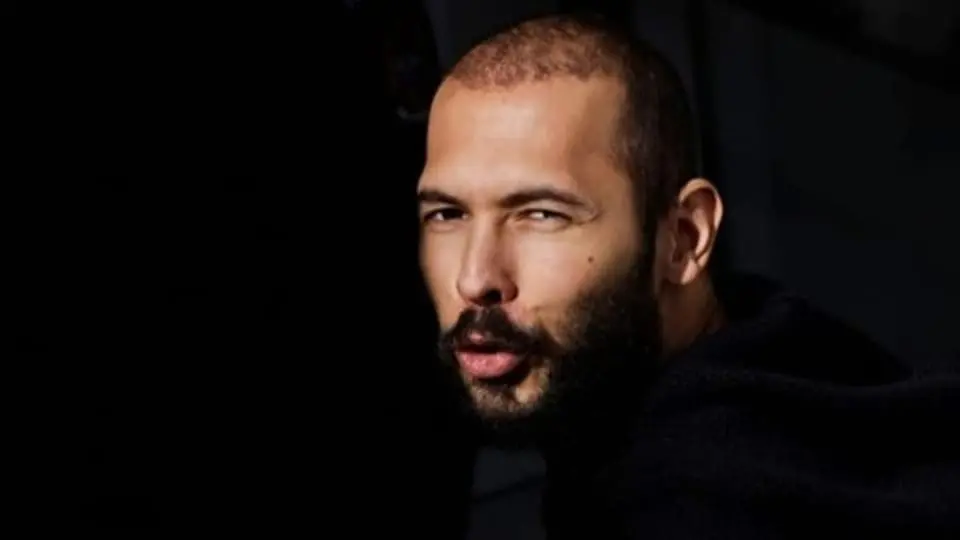
Andrew Tate, the self-proclaimed success coach and former professional kickboxer, has become one of the most polarizing figures on the internet. Known for flaunting luxury cars, expensive cigars, and a lifestyle of opulence, he simultaneously repels and attracts a global audience. His openly misogynistic rhetoric, homophobic slurs, and promotion of a hyper-masculine code have sparked outrage, yet they also resonate with a significant segment of young men. This dichotomy raises a critical question: what lies behind the fascination with this self-styled misogynist?
Tate rose to prominence initially through his achievements in kickboxing. Born in the United States and raised in England, he became a world champion in the sport, which gave him a platform. However, it was his transition to online influence that catapulted him into the public eye. He created a persona of unapologetic success, teaching men how to become 'top Gs' – a term he popularized to denote masculine dominance. His content often features him surrounded by fast cars and beautiful women, all while delivering what he calls 'hard truths' about life, money, and relationships. Critics label these as misogyny, racism, and dangerous fantasies.
In December 2022, Tate's life took a dramatic turn when he was arrested in Romania, along with his brother Tristan and two associates, on charges of human trafficking, rape, and organized crime. The prosecution alleges that they lured women into relationships and then forced them into prostitution. Tate and his brother have denied all accusations, and as of early 2023, no formal charges have been filed. The arrest sent shockwaves through the online world. Rather than diminishing his influence, the criminal allegations seemed to reinforce his narrative of being a victim of 'the system'.
The raw appeal of Andrew Tate lies in his unapologetic style. At a time when many young men feel adrift – caught between traditional expectations of masculinity and modern demands for sensitivity and political correctness – Tate offers a simple, rugged alternative. He tells them that they are powerful, that they should reject weakness, and that they can achieve wealth and status through sheer will. This message resonates deeply with teenage boys and young men who are struggling with identity, self-esteem, and purpose.
The Fascination with Forbidden Thoughts
Daniel Gebauer, a secondary school teacher in the canton of Bern, Switzerland, has been teaching for over two decades. When he brought up Andrew Tate in his classes, he was surprised by the response. 'When I asked who had heard of Andrew Tate, half of the boys immediately raised their hands,' he said. The students were aware of the controversy. They knew about the accusations of misogyny and the current legal case. Yet, many expressed a certain intrigue. 'They said they found it impressive that someone dares to speak his mind without trying to please everyone,' Gebauer noted. 'The coolness and the provocative attitude appeal to them.'
This intrigue is not limited to Switzerland. In the United Kingdom, schools have noticed the influence of Tate's content to such an extent that coordinated efforts were launched to educate students about his messages and their potential harm. Many teachers report that boys have started repeating phrases like 'it is better to be a boss than a man' or questioning women's rights. The influence is so pervasive that some schools have integrated specific lessons to deconstruct Tate's rhetoric, focusing on critical thinking and media literacy.
Switzerland, so far, has not experienced the same level of concern. The Swiss Teachers' Association (LCH) stated that there are no plans for a nationwide campaign against Tate's influence at this point. However, they acknowledge that they would act if his impact becomes problematic in classrooms. Individual teachers like Gebauer are already taking proactive steps. They encourage students to discuss Tate openly, without judging them for their curiosity. Gebauer believes that banning or silencing discussions around Tate would only make him more attractive. 'We need to understand the young people better, and not immediately devalue what interests them,' he said.
Beyond the Headlines: Understanding the Appeal
Andrew Tate's success is also a reflection of broader societal trends. The search for new understandings of masculinity is not simple. Young men today are constantly being told what they should not do: not be sexist, not be homophobic, not be aggressive. Many feel they are losing a sense of positive male identity. Tate steps into this void with a clear, simple, and powerful message: 'Be a man, take control, and do not apologize.' It is a seductive proposition for those who feel disenfranchised or overlooked.
Furthermore, the element of the forbidden adds to Tate's appeal. In an era where most platforms have strict guidelines on hate speech, Tate's content is often flagged, removed, or him banned. Instagram, TikTok, YouTube, and Facebook have all taken action against him. However, these bans often backfire, creating a martyr effect. His supporters see it as proof that he is speaking truths that the 'establishment' wants to suppress. This dynamic amplifies his reach, especially on alternative platforms and through reposts.
Teachers like Gebauer observe that while students know Tate is controversial, they also see the hypocrisy in the online battle against him. 'Many students have a sense of justice. They see that some influencers get punished while others get away with worse. That makes them question authority,' he said. This skepticism is healthy, but it can also make them more vulnerable to charismatic figures.
It is important to note that most young people, including boys, reject the more extreme aspects of Tate's world. The majority of Gebauer's students find his misogyny, homophobia, and racism wrong. They have grown up in a more gender-equal society and appreciate the breakdown of rigid gender roles. However, the journey between old expectations and new norms is fraught with uncertainty. Tate provides a simple – albeit harmful – answer: revert to the old model, but with a modern, flashy twist.
Legal Troubles and Their Impact
Andrew Tate's arrest has not significantly dented his popularity. In fact, it may have boosted it. Many see the legal system as trying to silence him, reinforcing his 'us versus them' narrative. He continues to receive support from followers who believe he is innocent or that the charges are exaggerated. The case is ongoing, and its outcome will likely have significant implications for both his career and his influence.
Meanwhile, the broader conversation about the role of influencers like Tate continues. Some argue that platforms themselves are responsible for failing to moderate content effectively. Critics also point to the algorithmic amplification of controversial figures, which drives engagement and ad revenue. The problem is systemic.
For teachers, parents, and society, the challenge is to provide young men with alternative narratives of masculinity – ones that include strength, confidence, and success, but also empathy, respect, and equality. As Gebauer puts it, 'We need to offer something better, not just try to take away what they find interesting. That means listening, understanding, and providing a positive vision.'
As of February 2023, Andrew Tate remains in detention in Romania, awaiting further legal proceedings. His influence persists, a testament to the complex currents of modern manhood and the allure of the forbidden. The story of Andrew Tate is not just about one man; it is a mirror to the struggles and longings of a generation.