

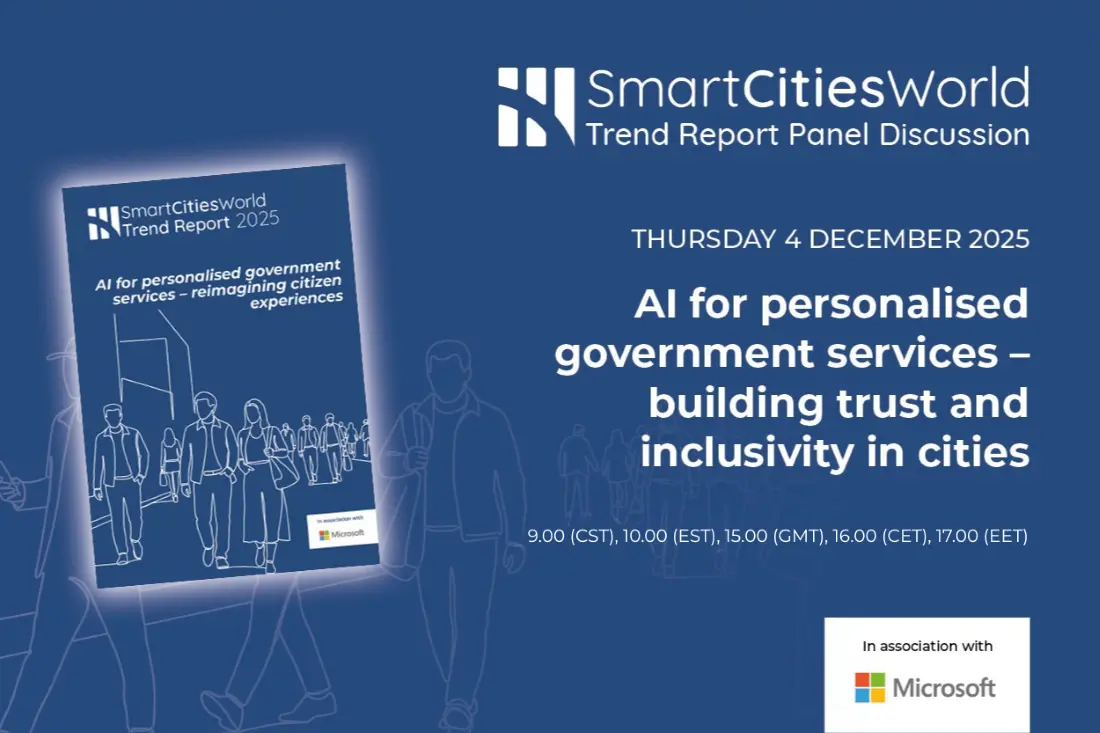
The Rise of AI in Personalised Government Services
Artificial intelligence is rapidly becoming a cornerstone of modern urban governance, enabling cities to offer personalised services that improve efficiency, resilience, and inclusivity. From digital twins that simulate infrastructure scenarios to AI-driven traffic management, the potential is vast. However, building trust among citizens remains a critical challenge that requires careful attention to data privacy, transparency, and human oversight.
Digital Twins as the Intelligent Operating Layer
Digital twins are virtual replicas of physical urban systems, allowing city administrators to test changes in a risk-free environment. When integrated with AI, these twins become an intelligent operating layer that can predict maintenance needs, optimise energy usage, and even simulate emergency responses. For example, cities like Dublin are already using digital twin projects to reduce traffic congestion and plan economic growth. By continuously feeding real-time data into the twin, AI algorithms can suggest personalised interventions for different neighbourhoods, such as adjusting street lighting schedules or rerouting public transport based on demand patterns.
AI in Urban Transport Networks
Transport is one of the most visible areas where AI can enhance personalised services. Data from sensors, cameras, and mobile devices help planners understand commuting habits, identify bottlenecks, and adjust schedules dynamically. Cities are using AI to support both day-to-day operations and long-term planning, improving outcomes for communities and passengers alike. For instance, machine learning models can predict peak travel times and recommend alternative routes, while also informing policies that prioritise underserved areas to ensure equitable access to mobility.
Data Security, Interoperability, and Human Oversight
As cities race to connect fragmented data systems and tighten security, they must avoid vendor lock-in and ensure interoperability. Cristina Bueti of the International Telecommunication Union (ITU) emphasises that inclusivity and human oversight must be prioritised now, before proprietary solutions define the future of urban AI. Open standards and multi-stakeholder governance are essential to build trust and ensure that AI systems serve all citizens fairly. Without these foundations, personalised services risk exacerbating existing inequalities or creating privacy concerns.
City Profile: Sunderland – A Resilient Smart City
Sunderland is repositioning itself as a leading smart city by investing in digital infrastructure and low-carbon innovation. The city’s strategy focuses on building a resilient, future-focused economy that leverages AI for personalised public services. Initiatives include smart grids that adjust energy distribution based on real-time consumption and digital platforms that allow residents to interact with municipal services more efficiently. Sunderland’s approach demonstrates how AI can be used to foster economic growth while maintaining a strong commitment to sustainability and community engagement.
City Profile: Dublin – Innovation for Communities
Dublin has become a testbed for urban AI applications, including digital twin projects that model traffic flow and pedestrian movement. The city is also experimenting with AI-driven chatbots to provide personalised information about public services, from waste collection schedules to cultural events. These innovations aim to improve experiences for residents and visitors while supporting economic growth. By integrating data from multiple sources, Dublin can tailor services to the specific needs of different districts, thereby enhancing inclusivity.
Smart Lighting and Cybersecurity
Streetlight networks are being transformed into intelligent infrastructure that can do more than illuminate roads. Modern smart lighting systems incorporate sensors for air quality, noise, and occupancy, and they can be controlled remotely to reduce energy use. However, as these systems become part of the Internet of Things (IoT), they also introduce cybersecurity risks. Cities must adopt secure, interoperable standards to protect these networks from attacks that could disrupt public safety or leak personal data. The final episode of the Cities Thriving on Lightning series highlights how global cities are approaching these challenges, balancing innovation with robust security measures.
UN Virtual Worlds Day and the Citiverse Ecosystem
The United Nations is exploring how AI, spatial intelligence, and the emerging Citiverse ecosystem can be turned into trusted, people-centred outcomes. Paul Wilson, organiser of the UN Virtual Worlds Day event, invites city leaders to join the conversation about using virtual environments for public engagement and service delivery. This initiative underscores the importance of designing AI applications that are transparent, accountable, and inclusive from the outset.
Indoor Safety via Smart Sensor Networks
Beyond outdoor infrastructure, smart sensor networks are improving indoor safety in municipal buildings, schools, and hospitals. These systems detect risks early, such as gas leaks or structural weaknesses, and provide real-time situational awareness for facility managers. Combined with AI analytics, they can predict maintenance needs and ensure healthier, more secure, and sustainable indoor environments. This technology is a key component of broader smart city strategies that use data to deliver personalised safety services.
OnDemand Panel Discussion: The Intelligent Operating Layer
An OnDemand panel discussion titled 'Digital Twins and AI as the Intelligent Operating Layer for Cities' brings together experts to explore how these technologies can be operationalised. The conversation covers practical use cases, data governance, and the importance of collaborative ecosystems. Access to such discussions helps city leaders stay informed about best practices and emerging trends in AI-driven urban management.
Data Strategy for Smarter Sites and Safer Operations
A complementary OnDemand webinar focuses on getting data strategy right for smarter sites and safer operations. Organisations learn how to structure data collection, storage, and analysis to support AI applications without compromising security. A robust data strategy is the foundation for any personalised service, ensuring that information flows smoothly across departments and that insights lead to actionable outcomes.
Stay Informed with SmartCitiesWorld Newsletters
For ongoing coverage of these topics, daily and weekly newsletters from SmartCitiesWorld provide curated news, city interviews, special reports, and guest opinions. Subscribers receive the latest updates on AI, digital twins, smart lighting, and more, helping them stay ahead in the rapidly evolving world of urban technology.
In summary, the journey toward truly personalised government services powered by AI is well underway. Cities like Sunderland and Dublin are showing how digital twins, transport analytics, and smart infrastructure can transform public services. Yet success depends on building trust through transparency, inclusivity, and human oversight. As the ITU's Cristina Bueti warns, the choices made today about interoperability and vendor lock-in will shape the urban landscape for decades. The path forward requires collaboration across sectors, a commitment to open standards, and a relentless focus on serving the needs of all citizens.
Source: Smart Cities World News