

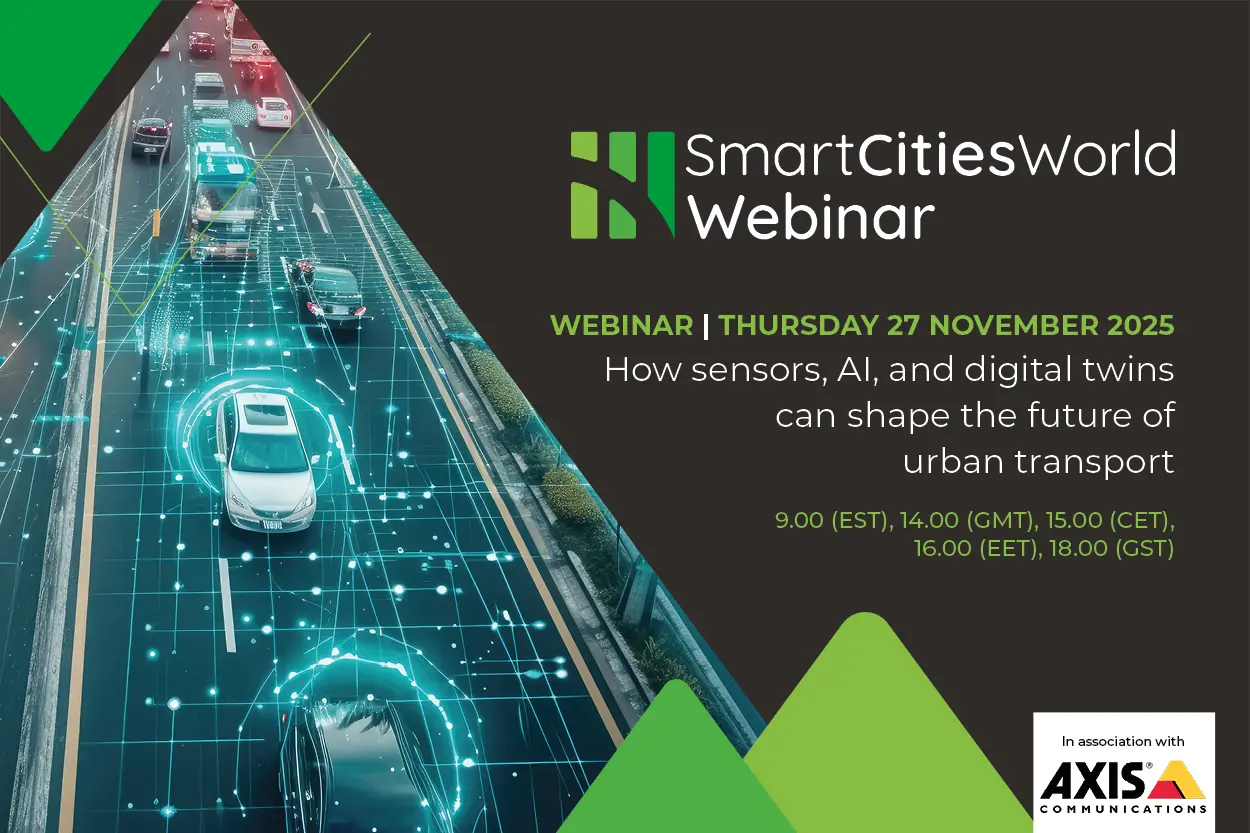
The convergence of sensors, artificial intelligence (AI), and digital twin technology is fundamentally reshaping urban transport systems worldwide. As cities face mounting pressures from population growth, climate change, and aging infrastructure, these innovations offer a pathway toward more efficient, resilient, and sustainable mobility solutions. A recent OnDemand webinar brought together experts from the International Telecommunication Union (ITU), SmartCitiesWorld, and leading city practitioners to explore how these technologies are being deployed to improve planning, daily operations, and community outcomes.
The role of digital twins in urban transport
Digital twins—virtual replicas of physical assets, processes, and systems—enable city planners and transport authorities to simulate, analyze, and optimize infrastructure before implementing changes in the real world. By integrating real-time data from IoT sensors, traffic cameras, and GPS devices, digital twins create a dynamic model that reflects current conditions and predicts future scenarios. For example, a digital twin of a city's traffic network can test the impact of new traffic light timings, lane closures, or public transit routes without disrupting daily operations.
AI enhances these capabilities by processing vast amounts of data to identify patterns, detect anomalies, and recommend actions. Machine learning algorithms can predict congestion hotspots, optimize signal timing, and even coordinate autonomous vehicles. The combination of AI and digital twins allows cities to move from reactive to proactive traffic management—shifting resources before problems occur rather than responding after the fact. This approach not only reduces travel times and emissions but also improves safety for pedestrians, cyclists, and motorists.
Data and AI for planning and operations
Modern urban transport networks generate petabytes of data daily—from smart meters, mobile apps, toll systems, and public transit cards. Harnessing this data with AI supports both long-term planning and day-to-day operations. For long-term planning, AI models can analyze demographic trends, land use patterns, and economic forecasts to recommend where new bike lanes, bus rapid transit corridors, or metro lines are needed. In day-to-day operations, AI-driven traffic management centers can adjust signal phases in real time based on live traffic flows, emergency vehicle locations, and weather conditions.
Cities like Singapore and Barcelona have already deployed such systems, reporting significant gains in efficiency. Singapore’s Smart Mobility 2030 plan uses a digital twin of the entire island to simulate urban transport policies and evaluate their environmental and social impact. Similarly, Barcelona’s smart city platform integrates data from thousands of sensors to manage everything from parking availability to air quality—feeding into a centralized control hub that supports both transport and other municipal services.
Cybersecurity and interoperability: critical enablers
As cities race to connect data and tighten security, the risk of fragmented systems and vendor lock-in becomes a major concern. ITU’s Cristina Bueti has repeatedly emphasized the urgency of prioritizing interoperability, inclusivity, and human oversight. Without open standards and interoperable platforms, cities may become locked into proprietary systems that hinder future innovation and increase costs. Cybersecurity is equally critical; a breach in a connected transport network could disrupt essential services, compromise personal data, and even endanger lives. Bueti argues that cities must adopt a “security by design” approach, embedding safeguards from the earliest stages of digital twin and AI deployment.
Several cities are leading the way in this area. Sunderland, UK, is repositioning itself as a leading smart city by investing in digital infrastructure and low-carbon innovation. The SmartCitiesWorld City Profile on Sunderland highlights how the city is using a secure, interoperable data platform to connect traffic lights, parking sensors, and energy grids—reducing emissions while improving service reliability. Dublin, similarly, has launched multiple digital twin projects aimed at reducing traffic congestion and stimulating economic growth. The Irish capital is using AI to model traffic flows around major construction projects and public events, minimizing disruption for residents and businesses.
Smart lighting as a foundation for smart infrastructure
One of the most accessible entry points for smart city technology is street lighting. The “Cities Thriving on Lighting” webinar series examined how cities are turning existing streetlight networks into secure, interoperable, and future‑proof infrastructure. Modern smart lighting systems are equipped with sensors that can monitor traffic, air quality, noise levels, and pedestrian movement. They also provide a ready network for Wi‑Fi and 5G connectivity, supporting a wide range of urban services beyond lighting.
Cybersecurity risks associated with smart lighting are significant, as these systems often connect to central city networks. The final episode of the series focused on how global cities are approaching both smart lighting and the related cybersecurity risks, highlighting best practices in network segmentation, encryption, and regular security updates. By addressing these risks early, cities can ensure that smart lighting serves as a secure backbone for broader urban digitalization.
Sensor networks for indoor safety and sustainability
While many smart city efforts focus on outdoor infrastructure, smart sensor networks are also transforming indoor environments. In buildings, sensors can detect early signs of fire, gas leaks, or structural stress, improving situational awareness for first responders and facility managers. They can also monitor energy usage, occupancy, and indoor air quality, supporting healthier, more secure, and sustainable buildings. These sensor networks, when integrated with digital twins of buildings, enable predictive maintenance—preventing equipment failures before they cause downtime or safety hazards.
For example, a hospital using a digital twin of its facility can simulate evacuation routes during a fire drill, optimize HVAC systems to reduce infection risk, and ensure emergency power backups are functional. The same technology applied to transport hubs—airports, train stations, bus depots—enhances passenger safety and operational efficiency.
Climate finance and the path to resilient cities
Funding remains one of the biggest challenges for cities wanting to adopt smart transport technologies. An upcoming COP30 webinar, “Unlocking climate finance: building city capacity and partnerships,” will address this directly. It will focus on how cities can access international climate funds, green bonds, and public‑private partnerships to finance the digital and physical infrastructure needed for resilient urban transport. The webinar will also explore the role of digital twins in making the case for investment—by modeling the environmental and economic returns of proposed projects.
Another trend report, “AI for resilient infrastructure – sustainable operations for future-ready cities,” examines how AI is helping cities optimize operations across energy, water, waste, and transport. By integrating AI with digital twins, cities can simulate the impact of climate events—floods, heatwaves, storms—on transport networks and proactively strengthen vulnerable points. This resilience planning is increasingly seen as a prerequisite for attracting investment and maintaining the trust of citizens.
Looking ahead: the Citiverse and people-centred outcomes
The United Nations Virtual Worlds Day event, as explained by Paul Wilson, will explore how AI, spatial intelligence, and the Citiverse ecosystem can be turned into trusted, people-centred outcomes. The Citiverse—the city‑scale digital twin ecosystem—offers a vision where all urban services are integrated through shared data models, enabling seamless citizen experiences. But achieving this requires a collaborative effort among governments, technology providers, and communities. Inclusivity and human oversight must remain at the core, ensuring that the benefits of digital transformation are equitably distributed.
As cities like Sunderland and Dublin demonstrate, the path forward involves bold investments in digital infrastructure, a commitment to open standards, and a relentless focus on sustainability and resilience. Sensors, AI, and digital twins are not just tools for efficiency—they are the foundations of a new urban paradigm where transport systems adapt in real time to the needs of people and the planet. The OnDemand webinar and accompanying resources provide a blueprint for cities eager to embark on this journey, from initial pilot projects to city‑wide transformation.
SmartCitiesWorld continues to offer daily and weekly newsletters that curate the latest news, city interviews, special reports, and guest opinions. Staying informed is essential for professionals working in this rapidly evolving field, as the innovations described here are just the beginning of a much larger shift toward intelligent, connected, and sustainable urban mobility.
Source: Smart Cities World News