
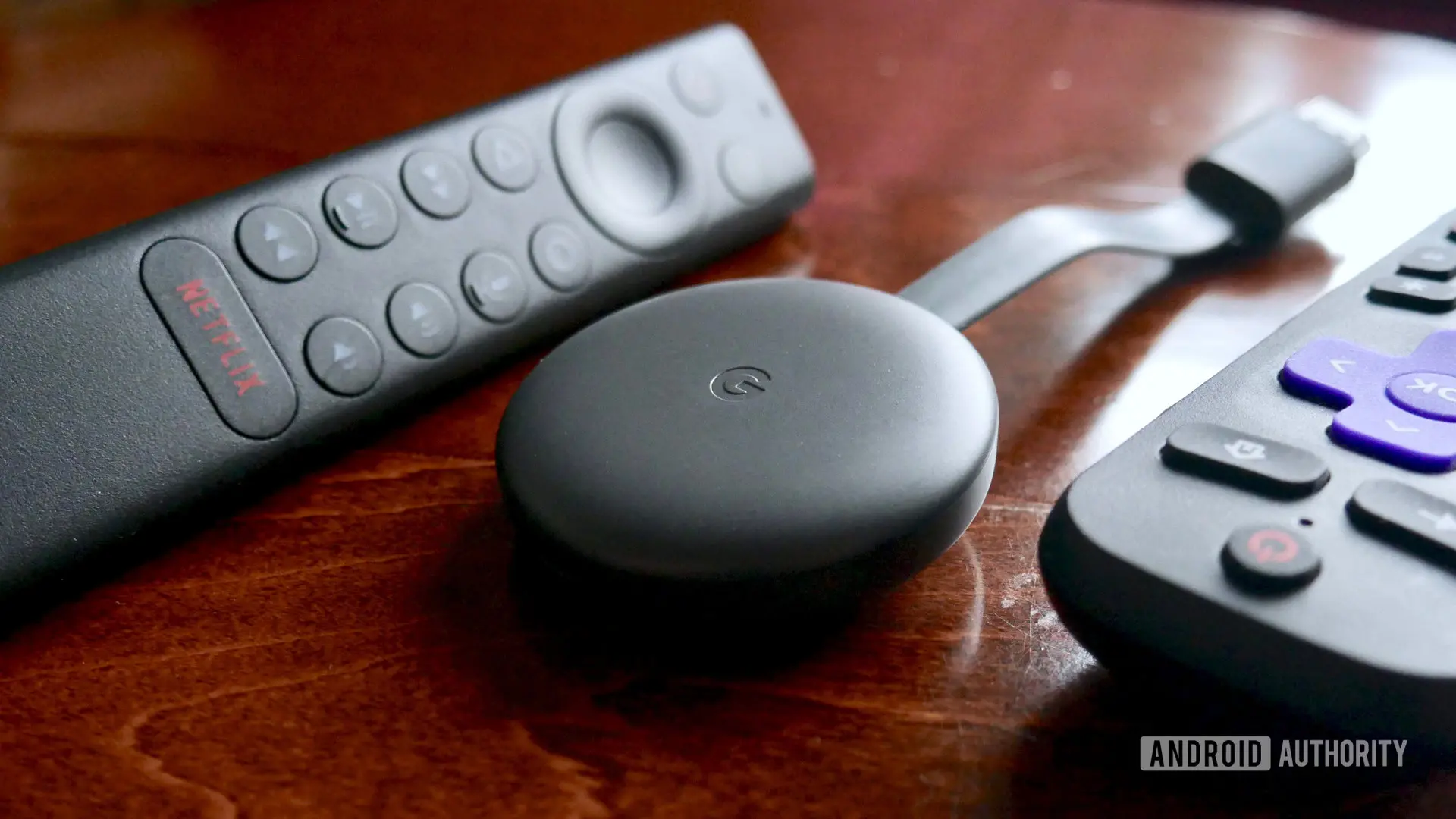
The humble Chromecast has been a cornerstone of home streaming since its launch in 2013. With an affordable price tag and a simple plug-and-play design, it turned any TV with an HDMI port into a smart device. Users could cast content from their phones, tablets, or computers, bypassing the often clunky interfaces of built-in smart TV apps. Over the years, Google expanded the line with higher-resolution versions and even integrated the Chromecast technology into Android TV and Google TV platforms. Despite the evolution, the original Chromecast and its direct successors remained a beloved budget option.
A brief history of Chromecast's impact
When the first Chromecast launched, streaming was still in its infancy. Devices like Apple TV and Roku were popular, but they required a dedicated remote and a separate interface. Chromecast offered a radically different approach: instead of a standalone operating system, it acted as a receiver for casting commands from your phone. This made it incredibly lightweight and cheap. The dongle quickly became a bestseller, and it played a major role in popularizing streaming in households that had not yet cut the cord. Google sold tens of millions of units, and the platform became a standard feature in many streaming apps.
The recent outage: what happened?
Earlier this week, reports began flooding social media and support forums. Users suddenly found themselves unable to cast from apps like Netflix, YouTube, and Disney+ to their Chromecast devices. The error messages varied: some saw a simple failure to connect, while others received cryptic codes. The outage was not limited to older models; even newer Chromecast with Google TV devices experienced disruptions. Panic spread quickly. Was Google finally pulling the plug on the aging platform? Were streaming services dropping support? The uncertainty was unsettling for millions of users who rely on these devices daily.
Google initially responded with a brief statement on a Reddit thread: "We are investigating an issue impacting the ability to cast some services on Chromecast devices. We'll circle back with an update as soon as we can. Thank you for your patience." This was enough to quell the worst fears—it was clearly a technical issue, not an intentional shutdown. But without a timeframe, the anxiety lingered.
How Google fixed the problem
After a day of investigation, Google confirmed that the issue had been resolved. In the same Reddit thread, they posted: "The issue impacting the ability to cast some services to Chromecast devices has been resolved." They also asked any remaining affected users to contact support. While Google did not disclose the root cause, the speed of the fix suggests it was a server-side configuration error or a broken update pushed to the devices. The incident highlights the fragility of cloud-dependent streaming devices. Even a simple misconfiguration on Google's backend can render millions of devices temporarily useless.
This is not the first time Chromecast has faced service disruptions. In 2020, a similar issue affected casting from some apps after a Google Play Services update. Last year, Netflix decided to block support for the original Chromecast and some other older models, citing DRM requirements. That move caused outcry but did not affect newer hardware. The recent outage, however, was more widespread and indiscriminate, affecting a broad cross-section of devices.
Technical background: why casting can break
Understanding how Chromecast works helps explain such outages. When you tap the cast button in an app, your phone communicates with the Chromecast via Wi-Fi, sending a URL or streaming command. The Chromecast then fetches the content directly from the internet, not from your phone. This means the Chromecast is essentially a tiny computer running a stripped-down Chrome OS variant. It relies on Google's servers for authentication, discovery, and sometimes content delivery. Any hiccup in these services can break casting. Additionally, Google periodically pushes firmware updates to Chromecast devices. A rogue update can introduce bugs that affect compatibility with streaming apps. In this case, the fix likely involved reverting a change or deploying a patch on the server side.
The future of Chromecast hardware
Despite this scare, the Chromecast line is far from dead. Google continues to sell the Chromecast with Google TV (HD and 4K models), and the underlying casting technology is now deeply embedded in Android TV, Google TV, and even some third-party smart TVs. The brand name may evolve, but the core functionality will persist. However, users of older, unsupported models (like the original 2013 dongle or the 2015 second-generation version) have reason to be cautious. Those devices are no longer receiving software updates, and as streaming services upgrade their security and codecs, compatibility will eventually break. The recent outage did not specifically target old hardware, but it served as a reminder that all connected devices have a finite lifespan.
For now, the crisis has been averted. Chromecast owners can once again enjoy streaming without interruption. Google’s prompt response deserves credit, even if the initial silence was nerve-wracking. The incident underscores the importance of having a backup streaming method, whether that’s a built-in smart TV interface, a dedicated streaming box, or even a game console. But for millions who rely on the little white dongle, life returns to normal.
If you still encounter issues, double-check your Wi-Fi network, reboot your Chromecast, and ensure your casting apps are up to date. Google has indicated that isolated cases may persist, and their support team is ready to assist. The overall message is clear: reports of Chromecast’s death were greatly exaggerated. The device still has plenty of life left, even if its ultimate future remains uncertain. In the meantime, sit back, cast your favorite show, and appreciate the simplicity that made Chromecast a household name.
Source: Android Authority News