

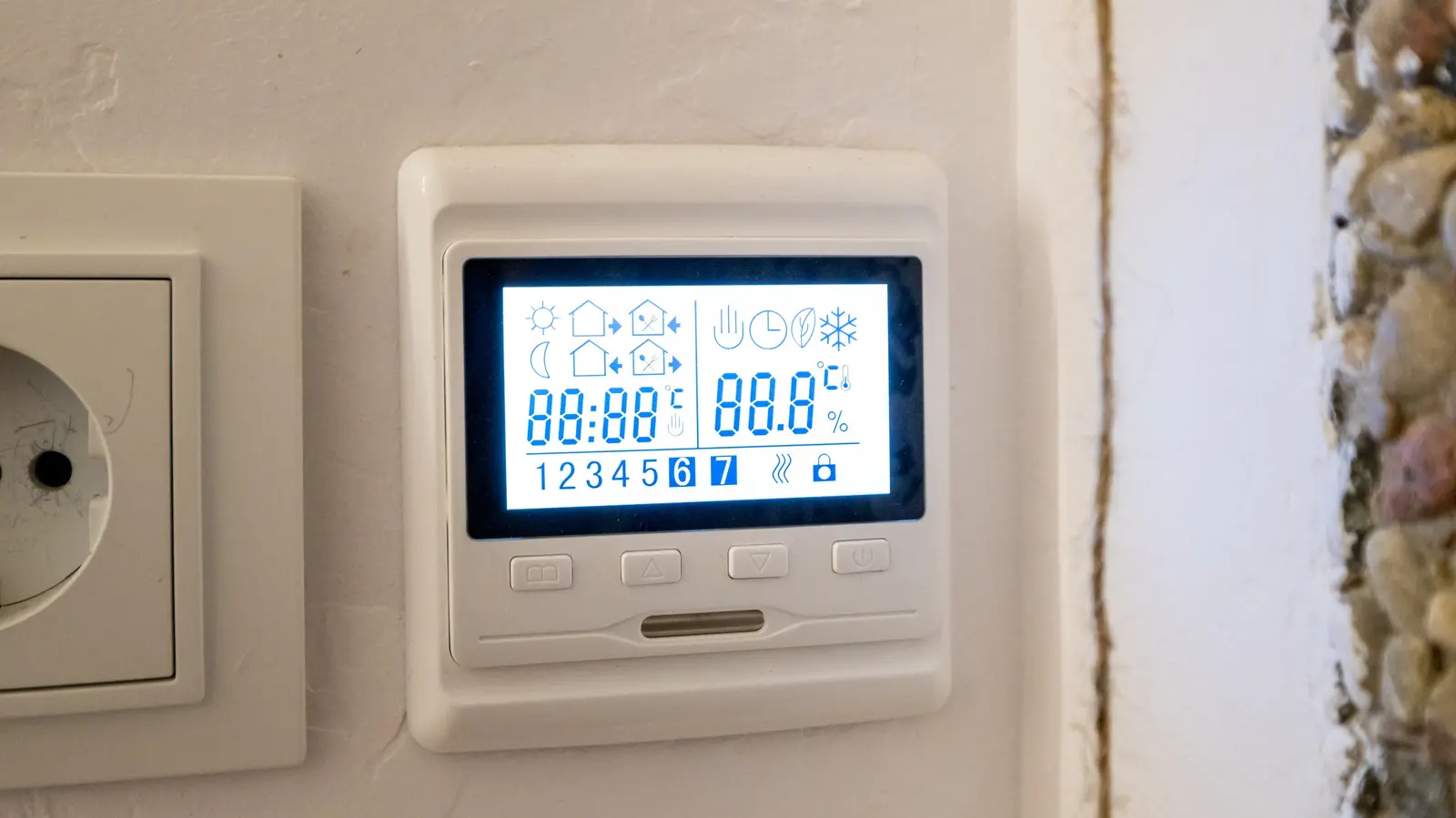
Ask ten different people what their air conditioner should be set to in summer, and you'll likely get ten different answers, each delivered with the conviction of a sworn oath. Personal preferences vary widely, but experts have identified a definitive answer to the "right" temperature—one that is surprisingly higher than most people assume. That number is 78°F (25.5°C). It's oddly specific, yet it's endorsed by multiple authoritative organizations, including the U.S. Department of Energy (DOE), Energy Star, and utility companies like Rochester Gas and Electric and National Grid. When the entities that set federal standards, certify appliances, and bill you for electricity all agree, their recommendation deserves serious consideration.
The rationale behind 78°F is straightforward: it minimizes electricity bills without sacrificing comfort. According to RG&E, every degree you raise your thermostat above 75°F reduces cooling costs by approximately 3%. This figure may vary slightly based on your AC unit's efficiency and your home's insulation, but the cumulative savings over a summer are substantial. The DOE and Energy Star emphasize that this temperature serves as a baseline for optimal energy use in typical residential and commercial split-system air conditioners, including modern variable-speed inverter systems.
To maximize savings, the DOE recommends a schedule: set the thermostat to 78°F when at home, 82°F while sleeping, and 85°F when away. This 7-to-10 degree increase for eight hours a day can reduce annual heating and cooling costs by up to 10%. While these settings may seem high during a heatwave, they are part of a broader strategy to manage energy consumption. The key is to pair the temperature setting with other efficiency measures, such as using ceiling fans, which consume 10 to 20 times less energy than an AC. Energy Star notes that fans allow you to raise the thermostat by another 2°F without sacrificing comfort, potentially cutting cooling costs by up to 14%. However, fans cool people, not rooms, so turn them off when leaving a space.
Beyond thermostat settings, keeping heat out is equally critical. Window coverings play a pivotal role. The DOE reports that tightly fitted cellular shades can block up to 60% of solar heat gain, while standard curtains with white plastic backing reduce heat gain by 33%. Drawing blinds during peak sunlight hours is a simple adjustment that yields noticeable bill reductions. Additionally, routine maintenance—vacuuming air intake vents, clearing debris from airflow registers, and sealing leaks around windows, doors, baseboards, and outlets—enhances system efficiency. A often-missed tip: avoid placing heat-generating lamps or electronics near the thermostat. The thermostat senses local heat and may cause the AC to run longer than necessary, wasting energy.
For those tired of manual adjustments, smart thermostats offer automated scheduling and can further optimize savings. They learn your habits, adjust temperatures based on occupancy, and provide detailed energy reports. Studies show that smart thermostats can save homeowners an average of 8-15% on cooling costs. When combined with the recommended 78°F baseline, these devices make it easier to maintain energy-efficient habits without constant attention. The adoption of smart thermostats has grown significantly in recent years, driven by advances in IoT technology and utility rebate programs.
Historically, the recommendation of 78°F emerged during the 1970s energy crisis, when the U.S. government first urged citizens to conserve energy. The DOE formalized guidance in the 1990s, and it has remained largely unchanged due to its proven effectiveness. However, the ideal temperature can vary based on climate, humidity, and personal health needs. For individuals with respiratory conditions or heat sensitivity, slightly lower settings may be necessary, but the 78°F target remains a practical starting point for most households. The key is to use supplementary strategies—fans, insulation, and smart scheduling—to bridge the comfort gap.
Another valuable technique is zoning your home's cooling. If you have a multi-room system, you can set different temperatures for different areas, keeping occupied rooms cooler and unoccupied ones warmer. This approach reduces overall load on the AC unit and saves energy. Additionally, using programmable thermostats to align cooling with your daily routine ensures you're not paying to cool an empty house. The DOE recommends setting the thermostat to 85°F when away for extended periods, as this prevents excessive heat buildup while minimizing energy use.
It's also important to debunk common myths. Many homeowners believe that turning the thermostat to a very low temperature will cool the home faster, but this is false. Air conditioners cool at a constant rate regardless of the target temperature; setting it lower only forces the unit to run longer, increasing energy consumption. Similarly, leaving the AC on all day at a moderate temperature actually uses less energy than turning it off and on, because restarting requires a surge of power to bring down the temperature. The optimal approach is to use a consistent schedule with the 78°F baseline.
In regions with high humidity, the AC's role in dehumidification is critical. Setting the thermostat too low can cause the unit to cycle on and off frequently, reducing its ability to remove moisture. This can lead to a clammy feeling and potential mold growth. Running the AC at 78°F with a properly sized unit ensures adequate dehumidification and comfort. Regular maintenance, such as cleaning coils and checking refrigerant levels, also improves dehumidification performance.
Technological advancements have made it easier to achieve these savings. Inverter ACs modulate compressor speed to maintain a steady temperature, reducing energy waste compared to older on/off models. Many new units come with Wi-Fi connectivity, allowing remote control and integration with home automation systems. The combination of smart thermostats and inverter technology can push savings even higher, making the 78°F recommendation even more effective. Utility companies often offer incentives for upgrading to such efficient models, further offsetting costs.
Finally, behavioral changes complement technical fixes. Simple habits like closing blinds during the hottest part of the day, postponing heat-generating activities (e.g., cooking, laundry) to cooler evenings, and using exhaust fans while showering or cooking all reduce the cooling load. Planting shade trees or installing awnings can lower outdoor temperatures around the home, reducing the AC's workload. Over time, these small measures add up to significant savings—both financial and environmental. The 78°F setting is not a strict rule but a guideline that, when integrated with a comprehensive energy-saving approach, delivers the best results for most households.
Source: SlashGear News