

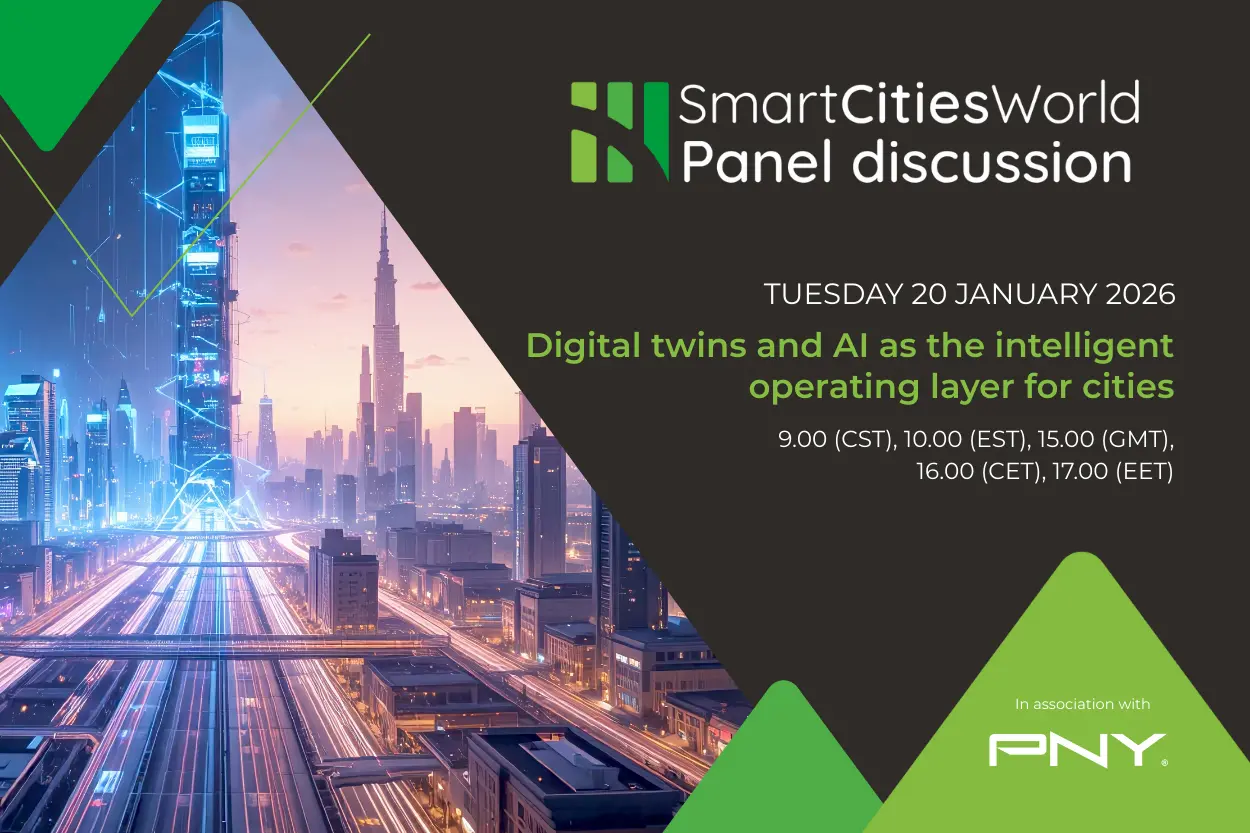
Digital Twins and AI: The Intelligent Operating Layer for Cities
As cities grapple with the intertwined challenges of climate change, aging infrastructure, and rapid digitalization, a powerful technological convergence is reshaping urban management. AI-powered digital twins have emerged as the intelligent operating layer that allows urban leaders to simulate, predict, and optimize city systems in real time. These virtual replicas of physical assets, networks, and processes—fed by continuous streams of data from IoT sensors, satellites, and municipal databases—enable decision-makers to test scenarios, improve efficiency, and build resilience without disrupting everyday life.
The concept of a digital twin is not new; engineering and manufacturing sectors have used them for decades to model aircraft engines or factory lines. However, applying the same approach to entire cities requires orchestrating vast, heterogeneous datasets from transport, energy, water, waste, and public safety systems. The addition of artificial intelligence transforms these static models into dynamic, self-learning simulations capable of predicting traffic congestion hours in advance, identifying vulnerable infrastructure during storms, or optimizing energy distribution based on weather forecasts and occupancy patterns.
During London Climate Action Week, the SmartCitiesWorld Summit 2026 is set to bring together urban leaders and partners to explore how these agendas intersect. The summit will focus on translating strategy into practical action, highlighting case studies where AI and digital twins have already moved from pilot projects to city-wide deployments. For example, Malaysia is positioning itself as a pioneer in AI-powered urban innovation, hosting the first Southeast Asian Smart City Expo in Kuala Lumpur. This expo showcases smart city solutions ranging from intelligent traffic management to predictive maintenance of public utilities, demonstrating the region's commitment to data-driven urbanization.
Transforming Urban Transport Networks
One of the most immediate applications of digital twins and AI lies in urban transport networks. Cities like Dublin and Sunderland are using real-time data from buses, trains, and traffic cameras to model passenger flow, identify bottlenecks, and adjust schedules dynamically. In Dublin, the city has launched digital twin projects that integrate transport data with environmental sensors to reduce traffic congestion and improve air quality. By simulating the impact of new bike lanes or congestion pricing, planners can make evidence-based decisions that yield measurable improvements for communities.
Sunderland's repositioning as a leading smart city involves using digital infrastructure and low-carbon innovation to build a resilient, future-focused economy. The city's digital twin integrates data from energy grids, building management systems, and transport networks to optimize resource use. This approach not only reduces carbon emissions but also enhances the quality of life for residents by shortening commute times and lowering energy costs. A key component of Sunderland's strategy is laying the data groundwork for AI, as highlighted in an on-demand webinar that explores how cities can prepare their data architecture to support advanced analytics and machine learning models.
Resilience and Climate Adaptation
Climate change is forcing cities to confront extreme weather events with greater frequency and intensity. Quezon City in the Philippines provides a stark example: following unexpected extreme rainfall, the city had to rapidly assess flood risks and coordinate emergency responses. An urban exchange featured a first-hand account of how Quezon City is leveraging real-time data from water level sensors, weather stations, and social media feeds to improve situational awareness and resilience measures. By embedding AI into their digital twin, city officials can now simulate flood scenarios, predict which neighborhoods are most vulnerable, and pre-position resources before a disaster strikes.
Smart sensor networks are also enhancing indoor safety in buildings, detecting risks such as gas leaks, structural stress, or poor air quality early. These networks feed into building digital twins that support healthier, more secure, and more sustainable environments. The same technology can be scaled to entire districts, creating a city-wide sensor mesh that informs everything from waste collection routes to streetlight maintenance.
Expert Insights and Future Evolution
Gareth Tang, President of Urban Solutions at ST Engineering, offers a forward-looking perspective on how urban AI applications are set to evolve. In recent discussions, he detailed projects where AI is already making significant impact—such as predictive maintenance of rail systems and real-time crowd analytics for event safety. Tang emphasizes that the next frontier is the integration of sovereign AI, where cities deploy their own localized AI models that respect data sovereignty and cultural context. This ensures that algorithms are trained on local patterns and regulations, building trust and inclusivity in public services.
The concept of sovereign AI for cities is explored in a dedicated podcast, featuring Youssef Nadiri of PNY Technologies. He explains that sovereign AI enables cities to maintain control over their data while still benefiting from advanced analytics. This is particularly important for citizen-facing services, where privacy and transparency are paramount. The trend report panel discussion on AI for personalised government services highlights how cities can build trust by involving communities in the design and deployment of AI systems, ensuring that automation does not exacerbate existing inequalities.
Realizing the Vision: Practical Steps
To move from pilot projects to city-wide impact, urban leaders must address several foundational challenges. First, data interoperability is critical: digital twins are only as good as the data that feed them, and many cities struggle with siloed systems and inconsistent data standards. Building a common data platform, as Sunderland is doing, creates a single source of truth that enables cross-departmental collaboration. Second, investment in IoT infrastructure and edge computing is needed to capture and process data with low latency. Third, workforce development is essential—city employees must be trained to interpret AI outputs and act on them.
SmartCitiesWorld newsletters provide daily and weekly updates on the latest innovations, city interviews, special reports, and guest opinions. These resources help urban practitioners stay informed about best practices and emerging technologies. The editorial newsletter compiles the most relevant news items into a single email, offering a convenient way for city leaders to keep pace with the rapidly evolving smart city landscape.
As urban populations continue to grow and resources become more constrained, the intelligent operating layer created by digital twins and AI will become not just an advantage but a necessity. Cities that invest in these technologies today will be better equipped to handle the uncertainties of tomorrow—from climate shocks to economic shifts. The journey from data to actionable insight is complex, but the examples from Malaysia, Sunderland, Dublin, Quezon City, and Singapore demonstrate that the path is already being paved. By embracing digital twins as a collaborative platform and AI as a decision-making partner, cities can build a future that is efficient, resilient, and inclusive for all.
Source: Smart Cities World News