

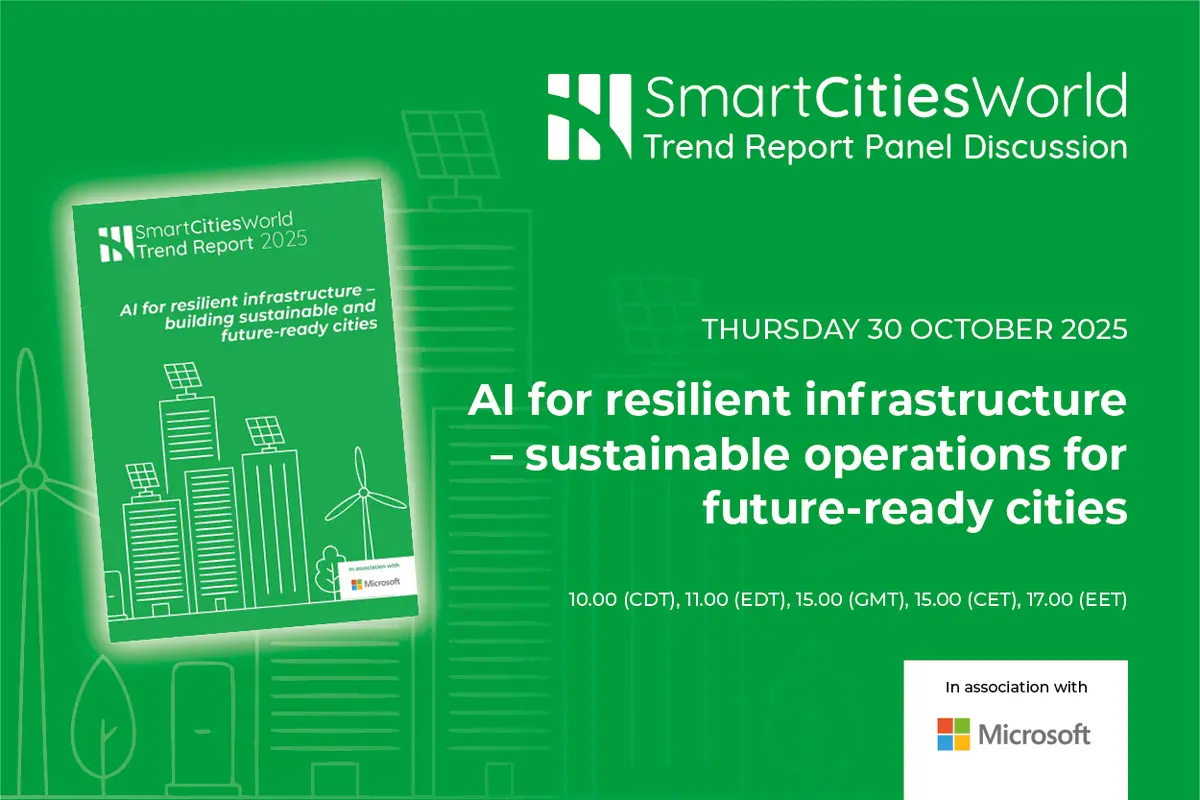
In an era defined by rapid urbanization, climate change, and technological acceleration, cities face unprecedented challenges in managing their infrastructure. From aging transport networks to energy grids strained by extreme weather, the need for resilience has never been more urgent. Enter artificial intelligence (AI) and digital twins—twin innovations that are reshaping how urban environments are planned, operated, and maintained. By creating virtual replicas of physical systems, digital twins allow city planners and operators to simulate scenarios, predict failures, and optimize performance in real time. When combined with AI, these tools become powerful engines for efficiency, sustainability, and resilience.
The Rise of Digital Twins in Urban Planning
A digital twin is a dynamic, data-driven simulation of a physical asset, process, or system. In a city context, this can range from a single building to an entire transportation network. Sensors embedded in infrastructure feed real-time data into the twin, which then uses AI to analyze patterns, detect anomalies, and recommend actions. For example, a digital twin of a water distribution system can predict pipe bursts before they occur, while a twin of a power grid can balance loads during peak demand.
The adoption of digital twins has accelerated as cities seek to become "smart"—using data and technology to improve quality of life. According to a 2023 report by the International Data Corporation, global spending on smart city initiatives is expected to reach $158 billion by 2025, with digital twins and AI playing a central role. Cities like Singapore, Helsinki, and Shanghai have already deployed city-scale digital twins, enabling them to test policies—such as traffic rerouting or flood management—in a risk-free virtual environment.
AI in Urban Transport: Smarter, Safer, More Sustainable
Transport networks are among the most complex and critical urban systems. AI-powered digital twins are helping cities optimize traffic flow, reduce congestion, and lower emissions. By analyzing data from cameras, GPS devices, and road sensors, AI algorithms can adjust traffic signal timings in real time, predict bus arrival times with high accuracy, and even reroute emergency vehicles to save minutes. In Barcelona, for instance, smart traffic management has reduced travel times by 21% and CO2 emissions by 10%.
Beyond day-to-day operations, AI supports long-term planning. Planners can use digital twins to model the impact of new bike lanes, pedestrian zones, or public transit extensions on mobility patterns. This data-driven approach ensures that investments are targeted where they have the greatest effect. Furthermore, AI enhances safety by detecting near-misses at intersections and identifying hazardous road conditions before they cause accidents.
The benefits extend to public transit as well. London's Transport for London uses AI to predict maintenance needs for its tube network, reducing service disruptions. In Singapore, autonomous buses equipped with AI navigate dedicated lanes, improving accessibility for the elderly and disabled. As cities strive to meet net-zero targets, electrification of transport fleets—combined with smart charging infrastructure managed by AI—will be crucial. Digital twins can simulate the placement of charging stations to maximize usage and minimize grid impact.
Interoperability: The Glue That Holds Smart Cities Together
A critical challenge in creating truly smart cities is ensuring that different systems—from traffic lights to waste management—can communicate seamlessly. Fragmented data ecosystems and vendor lock-in threaten to undermine the promise of urban AI. Cristina Bueti, a senior programme officer at the International Telecommunication Union (ITU), emphasizes that cities must prioritize interoperability, inclusivity, and human oversight now. "Without common standards and open data platforms, we risk creating silos that defeat the purpose of smart cities," she warns.
The ITU's Focus Group on AI for Health and Smart Cities is developing guidelines to help cities adopt AI in a responsible, interoperable manner. These guidelines stress the importance of data privacy, algorithmic transparency, and community engagement. For instance, AI systems that influence housing allocation or policing must be audited for bias and subject to public oversight. Bueti's message is clear: cities cannot afford to let technology vendors dictate their future. Instead, they must demand open APIs, modular architectures, and long-term interoperability.
European cities like Helsinki and Amsterdam have embraced this philosophy by adopting the "City as a Platform" model, where core digital services are built on open standards. This approach allows different applications—from citizen engagement apps to energy management systems—to share data and functionality, reducing costs and fostering innovation. It also future-proofs the city against changes in technology or vendor availability.
Case Study: Sunderland's Smart City Transformation
Sunderland, a historic city in northeast England, is repositioning itself as a leading smart city. Through investments in digital infrastructure and low-carbon innovation, it is building a resilient, future-focused economy. A key initiative is the Sunderland Smart City Programme, which includes a city-wide 5G network, smart lighting, and an Internet of Things (IoT) sensor network. These technologies collect data on air quality, traffic flows, and energy consumption, feeding into a digital twin that allows city managers to visualize and optimize operations.
The programme has already yielded results: smart streetlights that dim when no one is nearby have cut energy use by 40%. IoT-enabled waste bins alert collection crews when they are full, reducing unnecessary pickups and saving fuel. Sunderland is also piloting autonomous shuttles to connect the city center with its university campus, providing a zero-emission transport option. The city's digital twin is used to simulate flood risks and plan green infrastructure, such as rain gardens and permeable pavements, to mitigate climate change impacts.
Key to Sunderland's success is its partnership with businesses, academia, and the community. The city has established a "Living Lab" where residents can test new technologies and provide feedback. This inclusive approach ensures that smart city benefits reach all citizens, not just tech-savvy early adopters. Sunderland's example shows that with a clear vision and collaborative execution, even mid-sized cities can become global leaders in urban innovation.
Dublin: Innovating for Community and Economy
Dublin, Ireland, is another city pushing the boundaries of smart city innovation. The city's Smart Dublin programme focuses on improving experiences and services for its communities through technology. Notable projects include digital twins of the Docklands area, used to simulate the impact of new developments on traffic, sunlight, and wind patterns. This helps planners make informed decisions that enhance livability.
Dublin has also implemented a traffic reduction initiative using AI-driven traffic management. By analyzing data from over 200 sensors across the city, the system dynamically adjusts signal timings to ease congestion. Early results show a 15% reduction in average journey times during peak hours. Additionally, Dublin is deploying smart bins that sort waste and alert collection teams when full, improving recycling rates and reducing truck journeys.
Economic growth is a central goal of Dublin's smart city strategy. The city has created a "Smart District" in the Docklands, where startups and established tech firms collaborate on solutions for urban challenges. This has attracted investment and created jobs, while also providing a testbed for innovations that can be scaled globally. Dublin's approach demonstrates that smart city initiatives can drive both social and economic benefits, as long as they are designed with community needs at the forefront.
Smart Lighting: Illuminating the Path to Cybersecurity
Smart lighting is often a city's first step into the Internet of Things. By replacing traditional streetlights with LED fixtures connected to a central management system, cities can reduce energy consumption, adjust brightness based on ambient conditions, and even support other applications like traffic monitoring or public Wi-Fi. However, these connected systems also introduce cybersecurity risks. The final episode of the "Cities Thriving on Lighting" series explores how global cities are addressing these challenges.
Cybersecurity in smart lighting involves securing the communication network, preventing unauthorized access to control systems, and ensuring data integrity. Many cities have learned hard lessons from early deployments where vulnerabilities were exposed. For example, in 2021, a security researcher demonstrated that a popular smart lighting system could be hijacked to cause mass blackouts. In response, cities like Los Angeles and Copenhagen now require vendors to adhere to strict security standards, including encryption, regular updates, and penetration testing.
The second episode of the series delves into the technology and considerations behind turning existing streetlight networks into secure, interoperable, and future-proof infrastructure. It highlights the importance of adopting open standards like Zhaga or TALQ, which allow components from different manufacturers to work together. This avoids vendor lock-in and makes it easier to upgrade systems as technology evolves. Cities are also exploring edge computing—processing data locally on the light pole rather than in the cloud—to reduce latency and improve security.
UN Virtual Worlds Day and the Citiverse
The United Nations Virtual Worlds Day event, organized by the ITU, aims to explore how AI, spatial intelligence, and the emerging "Citiverse"—a digital ecosystem of connected virtual cities—can deliver trusted, people-centred outcomes. Paul Wilson, a key organizer, invites cities to join the conversation and help shape the ethical and inclusive development of virtual worlds. The Citiverse goes beyond digital twins: it envisions persistent, shared, and immersive environments where citizens can interact with city services, participate in planning, and experience cultural events virtually.
This concept raises important questions about data privacy, digital sovereignty, and the digital divide. As cities invest in virtual twins and augmented reality interfaces, they must ensure that these technologies do not exclude vulnerable populations. The UN event seeks to establish principles for responsible use, including transparency, accessibility, and accountability. By engaging now, cities can help shape a future where virtual worlds complement physical spaces rather than replace them.
Indoor Safety and Smart Sensor Networks
Beyond outdoor infrastructure, AI and sensors are improving indoor safety in public buildings, offices, and transport hubs. Smart sensor networks can detect risks early—such as gas leaks, smoke, or structural stress—and alert building managers before incidents occur. They can also monitor occupancy to optimize heating, cooling, and lighting, reducing energy waste while ensuring comfort. In hospitals, sensors track air quality to prevent infections, while in stadiums they manage crowd flow to prevent accidents.
These systems rely on AI to distinguish between false alarms and real threats. For example, a smart smoke detector can differentiate between steam from a kitchen and actual fire, reducing unnecessary evacuations. Similarly, acoustic sensors can detect gunshots or breaking glass and automatically alert security. When integrated with digital twins, indoor sensor data creates a comprehensive view of a building's health, enabling predictive maintenance and improving overall safety and sustainability.
Data Strategy and Webinars for Practitioners
For city managers and technology leaders looking to implement these solutions, the OnDemand webinars offer practical guidance. "Getting your data strategy right for smarter sites and safer operations" focuses on building a robust data foundation, from collection and storage to analysis and action. "How sensors, AI, and digital twins can shape the future of urban transport" provides case studies and best practices for transport network transformation.
These webinars are part of SmartCitiesWorld's ongoing educational efforts, which also include daily and weekly newsletters. The editorial newsletter curates the latest news on city innovation, interviews with urban leaders, and special reports on topics like decarbonization and digital equity. Subscribers gain access to a community of practitioners and experts committed to making cities more livable, sustainable, and resilient.
As the evidence mounts, one thing is clear: AI and digital twins are not just futuristic concepts but practical tools being deployed today. From Sunderland to Dublin, from smart lighting to transport networks, cities are proving that with the right strategy—based on openness, inclusivity, and human oversight—technology can build the resilient infrastructure needed for tomorrow's challenges. The journey is just beginning, and every city can take the first step by connecting its data, strengthening its security, and embracing the power of AI.
Source: Smart Cities World News