

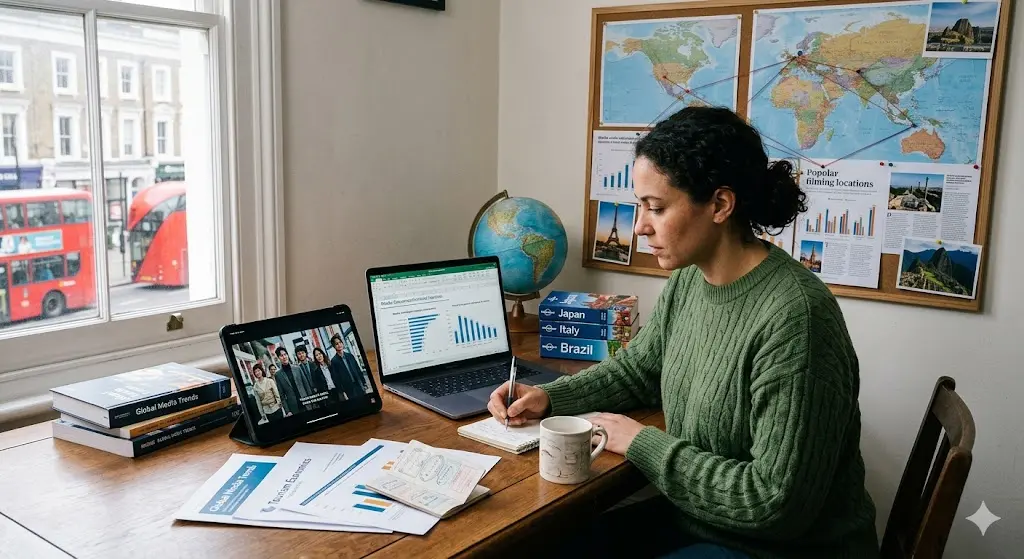
The impact of streaming platforms on international travel is bigger than most people realize. You’re not just watching shows anymore—you’re quietly building a list of places you want to visit. From mountain towns featured in dramas to cities turned into pop-culture icons, streaming content is reshaping how people choose destinations.
Here’s the interesting part: travel decisions today often start on a couch, not at a travel agency. In my experience, people don’t always plan trips logically anymore—they plan emotionally, based on scenes, characters, and story worlds they connect with.
Streaming platforms strongly influence international travel by turning on-screen locations into real-world tourist destinations. Viewers often get inspired by shows and films, leading to “screen tourism,” where destinations experience sudden visitor spikes. This shift is changing how tourism boards design campaigns, how cities market themselves, and how travelers discover new countries.
Film-Induced Tourism: A form of travel where people visit destinations because they were featured in movies, TV shows, or streaming content.
What Is the Impact of Streaming Platforms on International Travel?
The impact of streaming platforms on international travel refers to how OTT content influences where people choose to travel, what destinations become popular, and how tourism trends shift globally.
Let me be direct—this isn’t a small marketing trend anymore. It’s a behavioral shift. Platforms like Netflix, Prime Video, and others have become accidental travel influencers. People don’t just watch stories; they absorb settings, architecture, food culture, and lifestyle cues that feel real enough to experience.
What most people overlook is that streaming content creates emotional geography. A viewer might not remember the plot perfectly, but they remember the lake, the café, or the street where a key scene happened.
Why Streaming Platforms Matter in International Travel in 2026
By 2026, streaming platforms are no longer just entertainment systems—they’re discovery engines for global travel. Tourism boards now track screen exposure almost like they track flight searches.
In my opinion, this is where things get a bit underrated: streaming platforms often outperform traditional ads because they don’t feel like marketing. They feel like storytelling. And storytelling sticks.
Another overlooked point is timing. A location featured in a trending show can see travel interest spike within days, not months. That speed changes everything for airlines, hotels, and local economies.
A real-world example: think of how small towns suddenly become globally recognized after appearing in a hit series. Visitors don’t just come for sightseeing—they come to “step inside” a scene they emotionally connected with.
How Streaming Platforms Influence Travel Decisions — Step by Step
Emotional Connection Through Storytelling
Viewers form attachments to characters and settings. This emotional bond becomes the first trigger for travel curiosity.
Location Recognition During Viewing
People start noticing scenery—cafés, coastlines, streets—even if they weren’t part of the main story.
Social Media Reinforcement
Clips, reels, and discussions reinforce the idea that the location is “worth visiting.”
Search Behavior Begins
Travel searches shift from general queries to very specific destination-related searches inspired by shows.
Travel Planning and Booking
Viewers convert inspiration into actual itineraries, often replicating scenes or routes.
Let me be honest—this chain reaction is faster than most tourism professionals expect. It doesn’t always follow traditional planning logic.
What Most People Overlook About Streaming-Driven Tourism
Here’s the thing: not every location becomes a long-term tourist hotspot.
Some places explode in popularity for a few months and then fade quickly. Others sustain interest for years. The difference usually comes down to infrastructure and how well the destination adapts.
Another counterintuitive point is that overexposure can sometimes hurt a location. When too many tourists arrive too quickly, the original charm that attracted viewers can start to disappear.
I’ve seen cases where travelers felt disappointed because the real place didn’t match the cinematic version they had in mind. That gap between expectation and reality is bigger than most marketers admit.
Expert Insight: What Actually Works in Screen-Driven Travel Growth
If there’s one pattern I keep noticing, it’s this—destinations that integrate storytelling into real visitor experiences win long term.
Instead of just promoting “we were featured in a show,” successful regions create guided experiences, themed routes, and local storytelling tours.
Expert tip: The smartest tourism boards don’t chase viral fame. They build layered experiences that still feel meaningful even after the show stops trending.
Another insight—partnerships matter more than ads. When streaming producers collaborate early with destinations, the travel impact becomes more organic and sustainable.
Real-World Case Style Examples
Think about a fictional but realistic scenario: a coastal village featured in a romantic streaming series suddenly becomes popular among international travelers. Within weeks, hotels are booked, local cafés start offering “scene-inspired menus,” and tour operators create walking routes based on filming spots.
Now contrast that with another location that gets attention but doesn’t adapt. Visitors arrive, take photos, and leave quickly. No local economy benefit, no long-term tourism growth.
In my experience, the difference isn’t the popularity of the show—it’s how prepared the destination is to convert attention into experience.
Promotional Section
Our Network site provide related offering Guest Posting Services and Press Release News Submission, seo and local business listing in uk . If you need high authority backlinks, brand visibility, and organic traffic growth, platforms like Press Release Distribution Services and News Distribution Platforms help businesses achieve strong media coverage and instant publishing impact. These PR distribution services are widely used by brands looking to improve SEO ranking, expand reach, and strengthen digital presence through trusted press release distribution services and online press release distribution networks.
Expert Tips on Streaming and Travel Trends
One thing that surprises many marketers is how niche content drives niche tourism. A small documentary or regional series can outperform big-budget productions in influencing specific traveler groups.
Also, localization matters more than global reach sometimes. A show popular in one country can transform tourism patterns between just two regions, not the whole world.
Let me add a hot take here: in the next few years, I think we’ll see tourism packages directly bundled with streaming subscriptions. It sounds unusual now, but the alignment is already forming.
People Also Ask About Streaming Platforms and Travel
How do streaming platforms affect tourism globally?
They turn filmed locations into travel destinations by creating emotional and visual connections with viewers, often driving sudden tourism spikes.
What is screen tourism?
Screen tourism is when people travel to places they’ve seen in movies or streaming series, motivated by curiosity or emotional attachment.
Do all streaming shows increase tourism?
No. Only shows with strong visual storytelling and memorable locations tend to create real travel demand.
Why do people want to visit filming locations?
People want to recreate emotional experiences from shows and feel closer to stories they connected with.
Can streaming platforms harm local destinations?
Yes, if tourism grows too quickly without infrastructure support, it can strain local resources and reduce visitor satisfaction.
The impact of streaming platforms on international travel is reshaping how people discover the world. Travel inspiration no longer starts with brochures or agencies—it starts with stories on screens.
What stands out most is the emotional pull. People don’t just travel to see places anymore; they travel to feel something they once watched. And that shift is changing tourism faster than many industries can adapt.