

The world of consumer technology continues to evolve at a rapid pace, with updates spanning AI assistants, wearables, e-commerce transparency, smart glasses, privacy, and device longevity. This week's news highlights how major players are refining their offerings to enhance user experience while raising new questions about data privacy and hardware lifecycle management. From Google Gemini's conversational upgrades to a significant recall of power banks, each story carries implications for everyday users.
Gemini's 'Continued Conversation' Feature Makes Google AI More Practical for Smart Homes
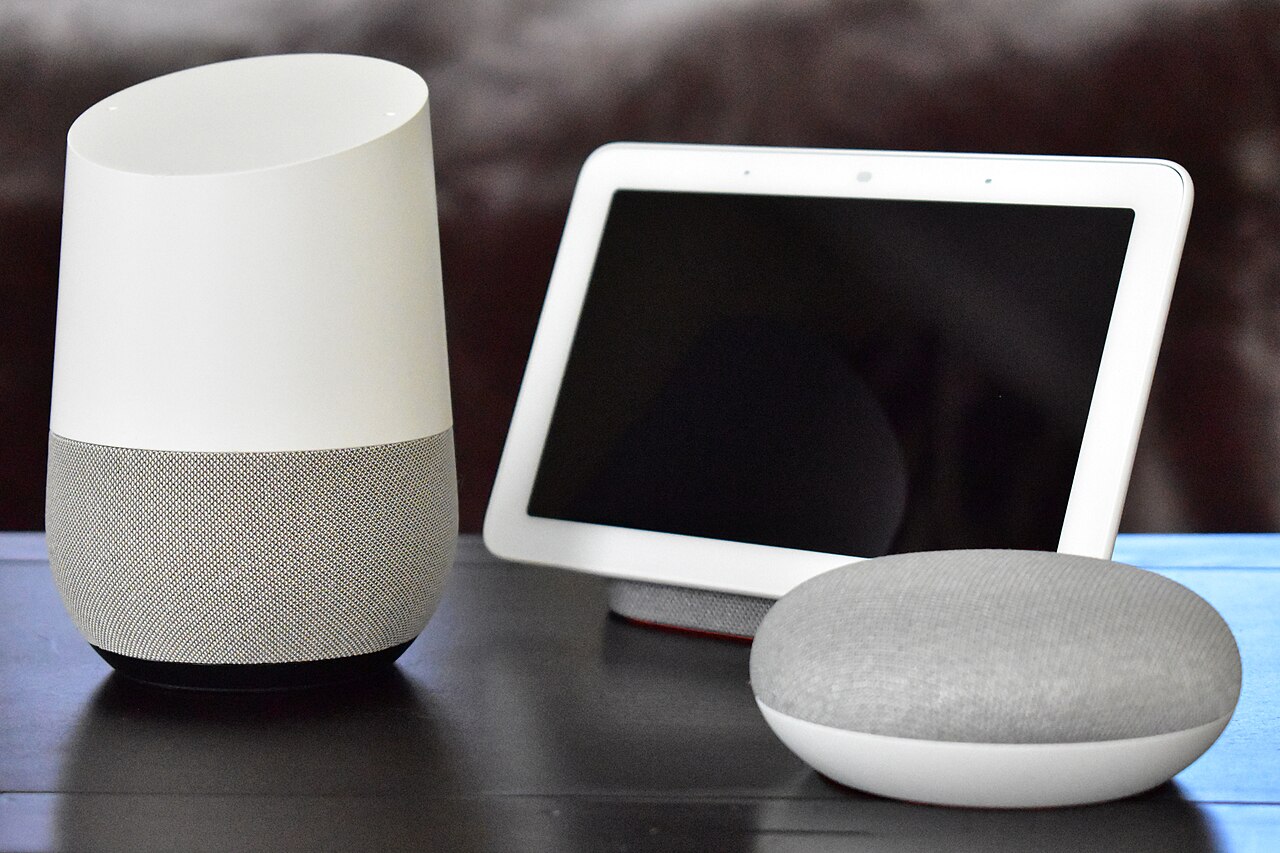
Google's artificial intelligence assistant, Gemini, is receiving a notable upgrade aimed at making it more natural and useful in smart home environments. The new 'Continued Conversation' feature allows users to interact with Gemini in a back-and-forth manner without having to repeat the wake word for each request. This innovation reduces friction, enabling tasks such as adjusting lights, checking weather, or managing schedules to flow more smoothly. The update builds on Google's long-term vision of creating an ambient computing experience where AI is always ready to assist. By eliminating the need to repeatedly say "Hey Google," the assistant becomes more conversational, closer to how humans interact. This could significantly boost adoption in households where voice assistants have seen limited use due to awkward interactions. However, it also raises privacy considerations, as the device must continuously listen for follow-up commands. Google has assured users that processing happens on-device for sensitive data, but the feature will inevitably spark debate about always-on microphones in the home. As smart home ecosystems grow, the ability to hold fluid conversations with AI may become a key differentiator among platforms.
Fitbit App Becomes Google Health as AI Coaching Takes Center Stage
In a significant rebranding move, the Fitbit app is transitioning to become Google Health, with artificial intelligence-driven coaching at the core of the experience. This transformation reflects Google's deeper integration of its health and fitness assets, merging Fitbit's established user base with Google's advanced AI and data infrastructure. The new platform leverages machine learning to offer personalized activity goals, sleep analysis, and wellness recommendations. For existing Fitbit users, the change promises deeper insights and smarter guidance, but also raises questions about data consolidation. Google has emphasized that health data will remain private and not be used for advertising, though some users remain skeptical given the company's history with data collection. The shift also signals a move away from simple step counting toward holistic health management. AI coaching can adapt to individual patterns, offering real-time feedback and long-term plans, which could encourage healthier habits. However, the success of Google Health will depend on user trust and the ability to deliver meaningful, accurate recommendations. As wearables become more sophisticated, the integration of AI coaching may set a new standard for digital wellness.
Amazon Extends Price History Tool to One Year, Providing Much-Needed Transparency Around Deals
Amazon has quietly improved its price history tracking tool, extending the timeframe from a few months to a full year. This change gives shoppers a more comprehensive view of whether a deal is genuinely a discount or simply a temporary fluctuation. Price manipulation around events like Prime Day has long been a concern, with some merchants inflating prices before dropping them. By offering a year-long perspective, Amazon aims to increase trust among bargain hunters. The tool is available through the company's "Your Lists" page and integrates with browser extensions that track price drops. For savvy consumers, this means better decision-making when purchasing electronics, home goods, and more. The move comes as regulators increasingly scrutinize dynamic pricing practices. While not a full solution, the extended history represents a step toward transparency in e-commerce. Still, shoppers should remain vigilant, as prices can be affected by external factors like supply chain issues or seasonal demand. Amazon's update aligns with broader industry trends where consumers demand more data to inform their buying decisions.
Google's Gemini Car Rollout Brings AI to the Dashboard
Google is extending Gemini's capabilities beyond the home into the automobile, integrating its AI assistant directly into vehicle dashboards. This rollout leverages the existing Android Auto platform, allowing drivers to control navigation, media, climate, and communication with natural language commands. Gemini's ability to understand context and handle complex multi-step requests makes it particularly suited for driving scenarios where safety is paramount. For example, a driver could ask Gemini to "find a gas station on the way to my next meeting and send a message that I'm running five minutes late." The assistant processes both requests seamlessly. Google has partnered with several automakers to embed Gemini directly into infotainment systems, reducing reliance on a connected phone. This could lead to a more integrated and intelligent driving experience, though it also demands robust voice recognition in noisy environments. Privacy advocates point out that in-car AI has access to location, contacts, and calendar data, making it a prime target for misuse. Google states that voice data is anonymized and processed securely. As cars become increasingly connected, voice AI like Gemini may eventually become as essential as the steering wheel.
Samsung's Answer to Meta's Ray-Ban Smart Glasses Revealed in Leaked Images
Samsung appears to be preparing its own entry into the smart glasses market, aiming to compete with Meta's Ray-Ban Stories and next-generation devices. Leaked images show a sleek design reminiscent of traditional eyewear, with integrated cameras, microphones, and possibly a small display. The product is expected to run on Google's Android XR platform, signaling a deepened collaboration between the two tech giants. Smart glasses have seen mixed success, with early attempts like Google Glass facing public rejection due to privacy concerns. However, Samsung seems focused on a more discreet and fashionable approach, potentially overcoming earlier criticisms. The glasses are likely to support hands-free calls, photo and video capture, and real-time translation—all without a tethered smartphone. Battery life and processing power remain challenges for such small form factors. Samsung's entry could accelerate mainstream adoption if the glasses prove comfortable, functional, and socially acceptable. The leaked images suggest a launch could come within the next year, putting pressure on Meta to innovate further. For consumers, this means more choices in the nascent smart eyewear category, but also a need to consider privacy implications of always-wearable cameras.
Apple Patches iPhone Bug Exploited by Police to Recover Deleted Chats, But Privacy Questions Persist
Apple has released a security patch for a vulnerability in iPhones that was being exploited by law enforcement agencies to recover deleted messages. The bug, present in the operating system's storage handling, allowed forensic tools to extract data that users believed had been erased. While Apple regularly issues security updates, this particular fix highlights the ongoing tension between user privacy and law enforcement access. The company has positioned itself as a champion of encryption and data protection, but vulnerabilities inevitably emerge. The patched flaw reminds users that deleting data on a phone does not always mean it is permanently gone. Apple's fix addresses the immediate issue, but experts warn that other similar exploits may exist. For privacy-conscious individuals, the incident underscores the importance of using end-to-end encrypted messaging apps and regularly updating software. Law enforcement groups have criticized Apple for making it harder to investigate crimes, while civil liberties groups applaud the company's stance. This balance between security and privacy will continue to be a hot-button issue as mobile devices store ever more sensitive information.
Amazon Ending Support for Older Kindles Next Month, Showing the Hidden Cost of 'Forever' Tech
Amazon has announced that it will end support for several older Kindle models starting next month, effectively cutting them off from the Kindle Store, cloud syncing, and security updates. This move affects devices like the Kindle Keyboard (3rd generation) and some early Kindle Touch models. While e-readers were once marketed as having a long lifespan due to their simple e-ink screens, the reality is that software and connectivity requirements evolve. The discontinuation means those devices will no longer be able to purchase or borrow new books from Amazon, although previously downloaded content will remain accessible. This decision highlights the hidden cost of "forever" technology: hardware may last, but software support does not. For users who have held onto their Kindles for years, this a disappointing end to a beloved device. Amazon has offered trade-in discounts for newer models, but the move reinforces the planned obsolescence inherent in consumer electronics. It also serves as a reminder that digital libraries are only as permanent as the platform that hosts them. As cloud services shift, consumers should consider backing up their purchases and preparing for eventual transitions.
Casely Power Banks Recalled Again Following Mid-Flight Explosion
Casely is facing another recall of its power banks after a unit exploded mid-flight on a commercial airplane. The incident, which caused minor smoke and panic but no injuries, prompted the U.S. Consumer Product Safety Commission to issue a new recall. This is not the first time Casely has had to recall power banks; previous issues involved overheating and fire risks. The recurring problem underscores the challenges of manufacturing lithium-ion batteries with consistent safety standards. Passengers are advised not to use or carry recalled units, and the company is offering refunds or replacements. The aviation industry has strict regulations on batteries in carry-on luggage, but this event shows that properly manufactured devices can still fail. Consumers should only purchase power banks from reputable brands and avoid heavily discounted products that may use subpar cells. The recall also impacts the growing market for portable chargers, which are essential for travelers but carry inherent risks. Casely's repeated failures could damage its brand reputation and lead to increased regulatory oversight. For now, users are urged to check their power bank models against the recall list and retire any affected units immediately. The safety of lithium-ion batteries remains a critical focus as they become ubiquitous in everyday life.
Source: Techopedia News