

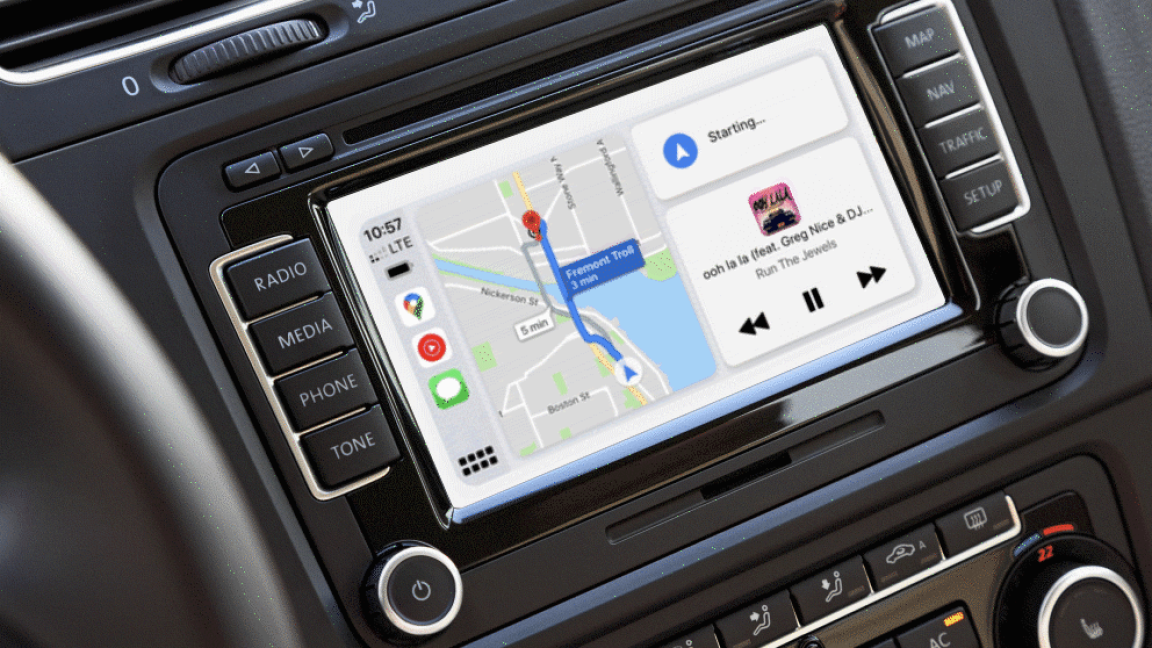
In today's digitally interconnected landscape, we enjoy remarkable conveniences thanks to technology. From navigation tools like Google Maps to smart home devices such as Nest cameras and Amazon Echo, these innovations enhance our daily lives. However, this reliance on digital devices comes at a significant cost to our privacy. Every day, we generate vast amounts of personal data, and the legal frameworks governing how this data can be accessed and utilized by law enforcement remain murky.
Andrew Guthrie Ferguson, a law professor at George Washington University, addresses these concerns in his recent book, Your Data Will Be Used Against You: Policing in the Age of Self-Surveillance. Ferguson, who previously explored data-driven policing in his book The Rise of Big Data Policing, now focuses on the concept of self-surveillance—how the data we willingly generate can unintentionally lead to our own incrimination. The lack of clear legal protections regarding police access to our personal data is alarming.
Ferguson explains, "I liken this sort of police-driven self-surveillance to democratically mediated self-surveillance. It’s still self-surveillance with our tax dollars and everything else, but we are also creating nets of smart devices and surveillance devices in our homes, in our cars, in our worlds." He emphasizes the need to recognize that this wealth of information can be weaponized by authorities, raising critical questions about our privacy.
During an interview, Ferguson shared insights into the implications of our dependence on technology. He notes, "I don’t want the book to be a scolding book, or say you shouldn’t have a Ring doorbell camera on your front door. I want people to just see the duality of data: smart devices are surveillance devices, and you are literally purchasing something to surveil you." This duality prompts us to reconsider the balance of cost and benefit regarding our digital conveniences.
Ferguson highlights that certain demographics have historically faced surveillance by law enforcement, but now the scope has broadened to include more privileged individuals. Many are beginning to realize that the data collected from doorbell cameras or emails could be used against them if they ever become targets of government scrutiny.
When asked about the adequacy of the justice system in addressing these new challenges, Ferguson expressed concern. He stated, "We need to give new life to the Fourth Amendment in a digital age, where the exposure we face is dramatically different than it was in 1791 when the amendment was ratified." The founding fathers were wary of government overreach, and Ferguson argues that these concerns are still relevant today.
As technology has evolved, courts struggle to adapt existing laws to contemporary realities. Ferguson points to a significant case involving third-party doctrine and the reasonable expectation of privacy, illustrating the gap between outdated legal precedents and modern digital practices. He emphasizes that courts must expand their interpretations of the Fourth Amendment to account for the unique challenges posed by digital data.
Despite the potential for data collection technologies to assist law enforcement in solving crimes, Ferguson acknowledges the risks associated with unfettered access to personal data. He argues that the current default—where data can often be accessed with minimal judicial oversight—may not adequately protect individual privacy rights. "We need to come up with rules that balance the necessity of law enforcement access with protecting citizens' privacy," he asserts.
Ferguson cites Google's three-step process for law enforcement to access location data as a positive example of corporate responsibility in data handling. However, he cautions that this process is not legally mandated and could change at any time. The crucial question remains: should a warrant be required for police access to such sensitive data?
As digital society continues to evolve, Ferguson stresses that individuals must be aware of their vulnerability. He argues that being innocent is no safeguard against scrutiny. For instance, a woman seeking information about pregnancy or abortion in restrictive states might find her online searches monitored by authorities. Even seemingly innocuous activities, such as attending protests or using smart devices, could expose individuals to legal repercussions.
Ferguson advocates for a collective response to these challenges, urging individuals to support legislation that addresses data privacy and surveillance concerns. He encourages citizens to engage with local journalists and community groups to foster awareness and accountability regarding technology use by law enforcement.
As we navigate an increasingly surveilled society, Ferguson envisions a future where we can enjoy the benefits of technology without the fear of our personal data being used against us. He calls for a robust debate on the ethical implications of data collection and urges the need for laws that protect individuals from unwarranted government intrusion.
In conclusion, Ferguson's insights underscore the pressing need for a reevaluation of privacy rights in our digital age. As technology continues to advance, we must remain vigilant and advocate for protections that ensure our data—and our rights—are not compromised in the name of convenience.
Source: Ars Technica News