

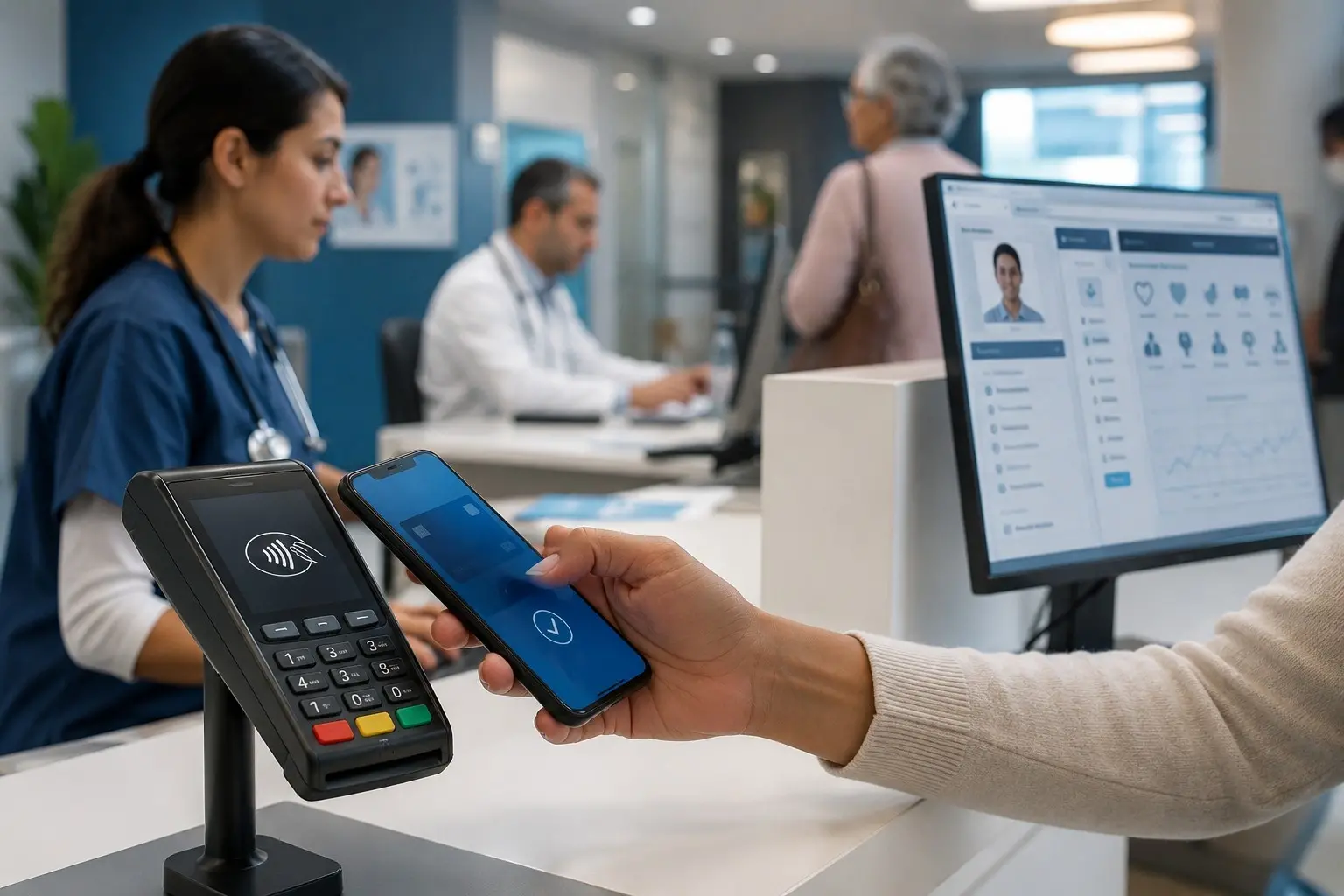
Digital payments in healthcare are growing fast, but so are the concerns around privacy, fraud, billing confusion, and unequal access. Hospitals, clinics, insurers, and patients now rely heavily on digital transactions, yet many systems still struggle with security gaps and poor user experience.
Digital payments are becoming a major healthcare concern because patients expect faster payment systems while providers face rising cybersecurity risks, insurance complexity, hidden transaction costs, and stricter compliance rules. In 2026, healthcare organizations are trying to balance convenience with financial security and patient trust.
Why Digital Payments Is a Growing Concern in Healthcare Worldwide isn’t just a finance story anymore. It’s tied directly to patient trust, medical access, and even healthcare outcomes. Over the last few years, hospitals and clinics have pushed hard toward cashless systems, mobile wallets, online billing portals, and automated insurance payments. On paper, that sounds efficient.
But here’s the thing. Faster payments don’t automatically create better healthcare experiences.
Many patients now deal with confusing digital invoices, surprise processing fees, data privacy worries, and failed transactions while trying to pay for essential treatment. Healthcare providers are also under pressure from cyberattacks targeting sensitive financial and medical information. In most cases, the technology moved faster than the systems designed to protect people.
What Is Digital Payment in Healthcare?
Digital payment in healthcare: A method of paying for medical services electronically through cards, mobile apps, online banking, insurance portals, QR systems, or automated billing platforms.
Healthcare digital payments include:
Online hospital billing
Contactless card payments
Mobile wallet transactions
Insurance claim settlements
Subscription-based telehealth billing
Automated recurring payments
International medical payment systems
What most people overlook is that healthcare payments are different from normal retail payments. Buying coffee online is one thing. Paying for emergency surgery while insurance approval is pending is completely different.
That complexity creates friction.
Patients often don’t know:
What insurance actually covers
When charges will appear
Whether payment portals are secure
Why medical bills keep changing
At least from what I’ve seen, healthcare organizations underestimated how stressful medical payments feel when someone is already worried about their health.
Expert Tip
A healthcare payment system should reduce anxiety, not add to it. Simpler billing language and transparent payment timelines often improve patient satisfaction more than flashy payment apps.
Why Digital Payments Matter in 2026
Healthcare finance has changed dramatically heading into 2026. More providers now depend on digital healthcare transactions because patients expect speed and convenience. Younger consumers especially prefer mobile-first experiences.
Still, that shift created several global concerns.
Rising Cybersecurity Threats
Healthcare has become one of the biggest targets for financial cybercrime. Hospitals store both payment data and medical records, which makes them extremely valuable to hackers.
One successful attack can expose:
Credit card details
Insurance data
Identity documents
Prescription histories
Banking information
And honestly, some hospitals still operate on outdated infrastructure. That’s the scary part.
A medium-sized clinic may invest heavily in patient care while ignoring payment security updates for years.
Patients Are Carrying More Financial Pressure
In many countries, healthcare costs are increasing faster than wages. Patients now rely on installment plans, digital financing tools, and payment apps to manage treatment costs.
That creates another problem.
People often accept payment terms without fully understanding:
Interest charges
Processing fees
Subscription renewals
Delayed penalties
I’ve seen situations where patients spent more time arguing over payment systems than discussing their actual treatment plan.
Global Telehealth Expansion
Telemedicine exploded worldwide, especially after remote healthcare became normal. Digital payment systems had to scale quickly to support virtual consultations.
But cross-border healthcare payments remain messy.
Currency conversion fees, delayed insurance reimbursements, and regional banking restrictions continue to frustrate providers and patients alike.
Contactless Expectations Changed Consumer Behavior
Patients now expect healthcare to work like modern e-commerce.
They want:
Instant payment confirmation
Mobile invoices
One-click insurance verification
Automated receipts
Flexible digital payment methods
Healthcare providers that fail to modernize often lose patient trust.
How to Improve Digital Payment Systems in Healthcare — Step by Step
Healthcare organizations can reduce payment-related concerns by focusing on clarity, security, and patient experience.
1. Simplify Medical Billing
Most medical invoices are still confusing.
Patients shouldn’t need financial training to understand:
Treatment costs
Insurance deductions
Pending balances
Payment deadlines
Clear summaries reduce disputes and improve trust almost immediately.
2. Use Strong Payment Security Measures
Healthcare payment security should include:
Multi-factor authentication
End-to-end encryption
Fraud detection monitoring
Secure payment gateways
Limited employee access controls
Here’s a hot take: some hospitals spend more money on waiting room renovations than cybersecurity upgrades. That’s backwards.
3. Offer Flexible Payment Options
Patients have different financial situations.
Some prefer:
Credit cards
Mobile wallets
Monthly installments
Insurance-linked payments
Bank transfers
Flexibility increases collection rates while reducing financial stress.
4. Integrate Insurance and Billing Systems
Disconnected systems create confusion fast.
Patients become frustrated when:
Insurance approvals lag behind invoices
Duplicate charges appear
Payment histories disappear
Refund timelines remain unclear
Integrated healthcare payment platforms reduce administrative errors.
5. Educate Patients About Digital Safety
A surprising number of patients still click fake payment links pretending to be hospital billing notices.
Healthcare organizations should regularly teach patients:
How official billing works
What secure payment pages look like
How to spot scams
When to contact support directly
Expert Tip
Short payment tutorials inside patient portals can dramatically reduce fraud complaints and failed transactions. Simple education often works better than complicated security warnings.
Why Healthcare Payment Fraud Is Increasing
Healthcare fraud is becoming more sophisticated every year.
Criminals target healthcare because patients are emotionally vulnerable and often rushed during payment situations. Someone preparing for surgery probably isn’t carefully checking payment URL structures.
That’s exactly what scammers count on.
Common healthcare payment fraud methods include:
Fake billing emails
Cloned hospital websites
Insurance reimbursement scams
Identity theft
Unauthorized recurring charges
One realistic example involved a regional clinic network that experienced a ransomware attack after an employee opened a fake payment verification email. Billing systems went offline for days, delaying patient treatment scheduling and insurance processing.
The financial damage was bad enough. The reputational damage was worse.
The Hidden Problem Nobody Talks About
Digital healthcare payments may actually increase inequality in some regions.
That sounds counterintuitive because digital systems are supposed to improve access. But older adults, rural populations, and low-income patients sometimes struggle with:
Smartphone access
Banking availability
Digital literacy
Internet reliability
What most guides miss is this: convenience for one group can create barriers for another.
A fully cashless hospital might work perfectly in major cities while creating serious access problems in underserved communities.
Healthcare providers need hybrid payment models instead of assuming everyone is ready for fully digital systems.
Expert Tips and What Actually Works
In my experience, healthcare organizations succeed with digital payments when they stop treating billing like a separate department. Patients see payment as part of the healthcare experience itself.
That mindset changes everything.
Here’s what tends to work best:
Transparent Pricing Before Treatment
Patients become less frustrated when they understand expected costs upfront.
Even estimated ranges help.
Mobile-Friendly Patient Portals
Complicated desktop-only systems frustrate users fast. Most patients now prefer handling payments directly from their phones.
Human Support Still Matters
Automation helps, but patients still need real people during stressful financial situations.
A chatbot can’t always explain a disputed surgery invoice properly.
Faster Insurance Verification
Real-time insurance approvals reduce confusion and payment delays significantly.
Fewer Payment Steps
Every extra login screen or verification stage increases drop-off rates.
Simple systems usually perform better.
Expert Tip
Healthcare providers should test payment systems with actual patients over age 60. If older users struggle, the interface probably needs simplification.
People Most Asked About Why Digital Payments Is a Growing Concern in Healthcare Worldwide
Why are digital payments becoming common in healthcare?
Healthcare providers want faster transactions, lower administrative costs, and better patient convenience. Patients also increasingly expect online and mobile payment options similar to retail and banking services.
Are digital healthcare payments safe?
They can be safe when providers use encryption, fraud monitoring, and secure payment gateways. Still, cyberattacks against healthcare organizations continue to rise globally, so risks remain real.
Why do patients complain about healthcare billing systems?
Many billing systems are confusing, inconsistent, or disconnected from insurance providers. Patients often receive unclear invoices or unexpected charges after treatment.
Can digital healthcare payments increase healthcare costs?
Yes, sometimes. Processing fees, financing charges, subscription billing systems, and payment platform costs may indirectly increase patient expenses.
What role does telehealth play in digital healthcare payments?
Telehealth depends heavily on digital billing systems because consultations, prescriptions, and insurance processing often happen entirely online.
Are cashless hospitals a good idea?
They improve efficiency in some settings but may exclude patients without banking access or digital literacy. Hybrid payment models are usually more practical.
Why is healthcare a major cybercrime target?
Healthcare systems store both financial data and medical records, making them highly valuable for identity theft and fraud operations.
Final Thoughts
Why Digital Payments Is a Growing Concern in Healthcare Worldwide comes down to one core issue: healthcare is deeply personal, but payment systems often feel cold and transactional. Patients want convenience, yet they also need trust, clarity, and security during vulnerable moments.
Digital healthcare payments will probably keep expanding through 2026 and beyond. The real challenge isn’t whether hospitals adopt new payment technology. It’s whether they can make those systems genuinely patient-friendly while protecting sensitive financial and medical information.
Healthcare organizations that balance speed with transparency will likely earn stronger patient trust over time.
Businesses, agencies, and SEO professionals looking to improve brand visibility and organic traffic can benefit from high authority backlinks and instant publishing through trusted platforms like PR Wires and Web InfoMatrix. Their press release distribution services, SEO services, and digital marketing solutions help companies strengthen SEO ranking, gain wider media coverage, and attract targeted audiences with measurable online growth.