

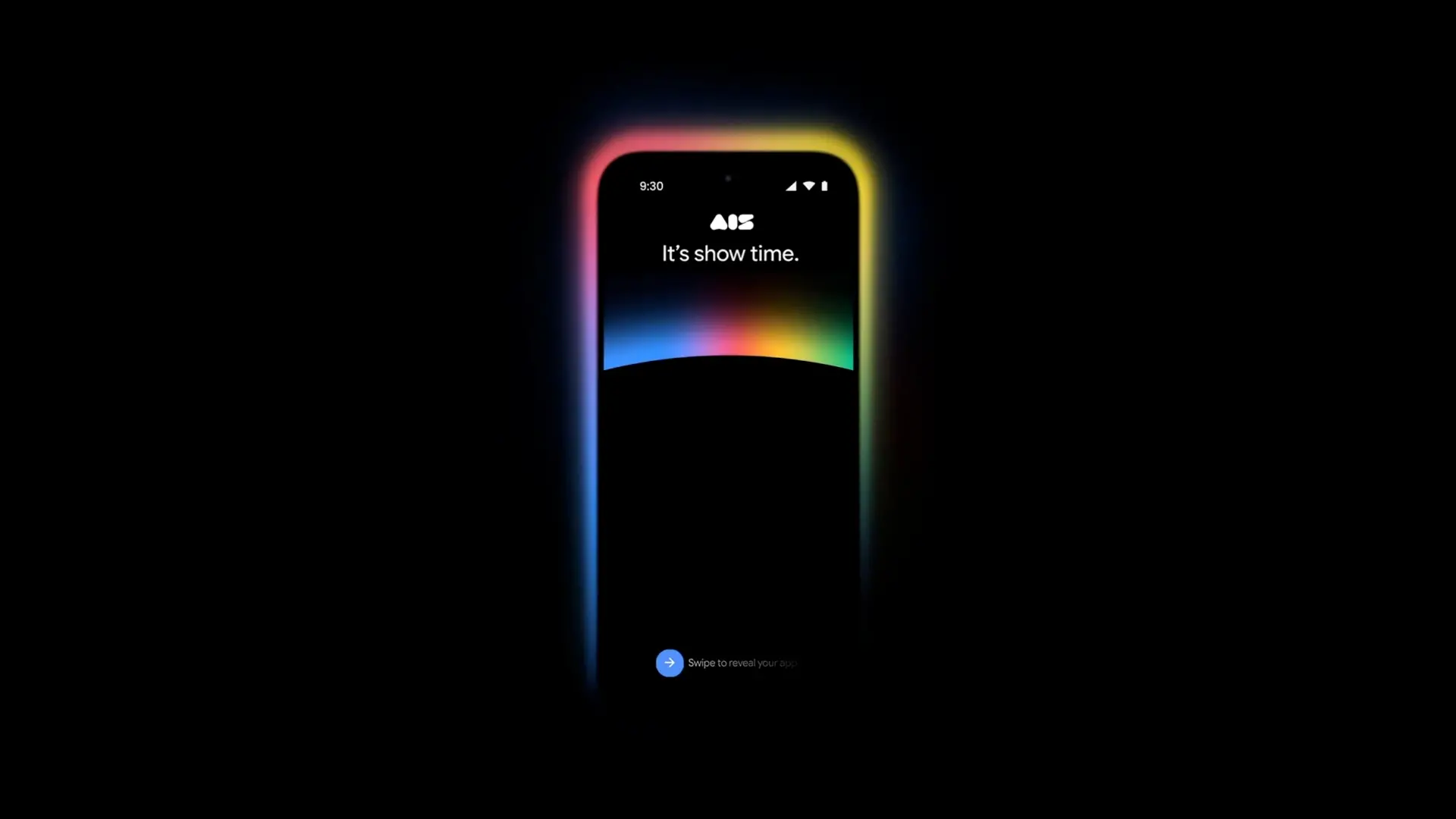
App development has undergone a radical transformation in recent years. What once required a powerful desktop computer, years of coding experience, and a deep understanding of Android Studio has now become accessible through natural language prompts and AI-guided workflows. This phenomenon, often called "vibe coding," refers to the practice of describing what you want an app to do in plain English and letting artificial intelligence generate the underlying code. Google has been at the forefront of this shift with its AI Studio platform, which currently runs on desktop browsers. Now, the company is taking the next logical step: bringing AI Studio directly to your smartphone.
According to an announcement from the official Google AI Studio handle on X (formerly Twitter), a dedicated mobile app is on the way. The app will enable developers, hobbyists, and even complete beginners to create, iterate, test, and publish Android apps entirely from their mobile devices. This eliminates the need to carry a laptop or sit at a desk to work on app ideas. Whether you are at a coffee shop, commuting, or relaxing in a park, you can now prototype an app in minutes.
What is vibe coding and why does it matter?
Vibe coding is more than just a buzzword; it represents a fundamental democratization of software creation. Traditionally, building even a simple Android app required knowledge of Java or Kotlin, familiarity with XML layouts, and the ability to debug complex issues in Android Studio. AI-powered tools like Google AI Studio lower these barriers dramatically. Users can describe their app idea—"a fitness tracker that logs steps and shows a weekly chart"—and the AI will generate the necessary code, often with real-time previews.
The term "vibe coding" itself reflects the relaxed, iterative nature of the process. Instead of wrestling with syntax errors, you adjust the AI's output by refining your description. "Make the home screen darker" or "add a button that saves the user's name" are typical prompts. The AI handles the heavy lifting, and you can instantly see the result. This approach is particularly appealing for non-developers who have great ideas but lack the technical skills to implement them. It also speeds up the workflow for experienced developers who can focus on architecture and logic while delegating boilerplate code to the AI.
Google AI Studio originally launched as a web-based tool on desktop. It allowed users to create web apps, XR experiences, and even full Android applications using natural language. The platform quickly gained traction among early adopters who appreciated its simplicity and power. The upcoming mobile app promises to extend that functionality to a form factor that billions of people already carry in their pockets.
Key features of the mobile AI Studio app
Based on the announcement and previous desktop iterations, the mobile app will include several core capabilities:
- Create and iterate on the go: Users can start a new app project from scratch directly on their phone. The AI will generate the code, and you can tweak it using additional natural language prompts. The app will provide a live preview of your creation so you can see changes immediately.
- Remix existing apps: One of the most popular features in the desktop version is the ability to "remix" an existing app. You can duplicate any app created by the community or by yourself and then customize it. For example, if someone built a simple to-do list app, you could remix it to turn it into a habit tracker by changing the prompts. This encourages collaboration and rapid prototyping.
- Test and publish directly: The mobile app will include testing tools that allow you to run your app in an emulator or on your own device directly from the app. Once you are satisfied, you can publish it to the Google Play Store without ever opening a desktop browser. This streamlines the entire development pipeline.
- Cross-device continuity: One of the most practical features is the ability to start a project on your phone and continue working on it later on your desktop, or vice versa. Your projects are saved in the cloud, so you can pick up exactly where you left off on any device. This flexibility is ideal for the modern, on-the-go lifestyle.
The app is designed to be a full-featured companion to the desktop AI Studio. While some advanced features—such as custom model training or deep integration with Google Cloud services—may remain exclusive to the desktop for now, the mobile app will cover the vast majority of use cases for quick prototyping and app development.
Availability and pre-registration
The Google AI Studio mobile app is already available for pre-registration on the Google Play Store. Users can navigate to the Play Store listing and pre-register to receive a notification the moment the app goes live. The company has not specified a precise release date, but the pre-registration phase typically precedes a launch by a few weeks to a couple of months.
For iPhone users, the app will also be available on the App Store. However, pre-orders are not yet open. The official listing simply shows a "coming soon" message. Apple users will need to wait a bit longer, but pre-orders are expected to open in the near future. It is also worth noting that AI Studio on mobile will likely require an internet connection for the AI processing, as the heavy lifting is done on Google's servers. Offline capabilities, if any, have not been announced.
Broader implications for mobile app development
The introduction of a mobile-friendly AI Studio could significantly change the landscape of indie app development. Independent developers often face the challenge of limited time and resources. Being able to brainstorm, prototype, and even publish an app during a lunch break is a game-changer. Moreover, it lowers the barrier for people in regions where desktop computers are less common but smartphones are ubiquitous. A student in a developing country with just a smartphone could potentially create and publish an app that reaches millions on the Play Store.
Some industry observers have raised concerns about quality control. If anyone can generate apps with minimal effort, the Play Store could become flooded with low-quality or duplicate apps. However, Google's existing review and policy enforcement mechanisms are likely to catch the most egregious issues. Furthermore, the AI itself may incorporate guidelines to prevent the generation of harmful or misleading apps.
Another important aspect is the evolution of the developer's role. With AI handling code generation, developers will shift from writing code line by line to becoming curators and prompt engineers. The ability to craft precise instructions and evaluate the AI's output will become the new core skill. This mirrors the broader trend in AI-assisted programming, where tools like GitHub Copilot and ChatGPT are already changing how software is built.
The future of vibe coding
Google is clearly betting that vibe coding is not a passing fad but the future of app creation. The mobile app is just the latest step in that direction. In the future, we may see even tighter integration with Google's ecosystem, such as the ability to automatically publish to Google Play, connect to Firebase for backend services, or use Google Analytics to track app usage—all from the same mobile interface.
For now, the message is clear: your next app idea doesn't need to wait until you get back to your laptop. With Google AI Studio on mobile, you can bring it to life wherever you are. The coffee shop, the train, or your couch—all are now viable development environments. And if you get stuck, you can simply remix an existing app or tweak your prompts. The boundaries between idea and execution continue to blur, making this an exciting time for creators and developers alike.
To get started, head over to the Google Play Store and pre-register for the AI Studio app. iOS users should keep an eye on the App Store for pre-orders. Google has not yet announced a global rollout date, but given the pre-registration phase, a public launch is likely within the next few weeks or months. Stay tuned for further announcements from Google AI Studio's official channels.
Source: Android Authority News